

More than half of Malaysian educators say balancing diverse learning needs is their greatest classroom challenge, a concern echoed by American research on inclusive education. Educators and event coordinators in Malaysia know that true inclusion means more than physical access—it requires reshaping learning spaces to celebrate every background and ability. Discover how projection technology offers practical, creative solutions for making each lesson engaging and accessible for every participant, no matter their starting point.
Table of Contents
- Understanding Inclusive Environments In Education
- Key Types Of Inclusion For Diverse Learners
- Role Of Projection Technology In Inclusion
- Practical Strategies For Creating Accessibility
- Mistakes To Avoid With Inclusive Technology
Key Takeaways
| Point | Details |
|---|---|
| Inclusive Education Focuses on Diversity | Creating inclusive learning environments involves recognizing various student needs and adapting teaching strategies accordingly. |
| Technology Enhances Accessibility | Integrating advanced technologies like adaptive projectors can significantly improve engagement and support diverse learning styles. |
| Comprehensive Support Systems are Essential | Successful inclusive education requires institutional commitment to training educators and developing long-term support frameworks. |
| Regular Assessments are Crucial | Conducting periodic evaluations of inclusivity and accessibility can identify barriers and improve educational practices. |
Understanding Inclusive Environments in Education
Inclusive education represents a transformative approach to learning that goes beyond traditional classroom models. Global research highlights that creating truly inclusive environments means addressing systemic barriers preventing equitable educational access for diverse student populations.
At its core, inclusive education is about recognizing and valuing individual differences while providing meaningful learning experiences for all students. This approach requires intentional strategies that accommodate various learning styles, cultural backgrounds, and individual capabilities. Contemporary educational research emphasizes that inclusive environments are not just about physical integration but about creating supportive academic ecosystems where every student can thrive.
Key principles of inclusive educational environments include:
- Recognizing diverse learning needs
- Implementing flexible instructional approaches
- Promoting respect and understanding
- Removing systemic barriers to participation
- Ensuring equal opportunities for academic achievement
Successful inclusive environments require comprehensive institutional commitment. This means training educators, developing adaptive curriculum frameworks, and creating support systems that acknowledge students' unique backgrounds and potential. Technology like adaptive projector displays and interactive learning tools can play a significant role in making classrooms more accessible and engaging for all learners.
Pro tip: Conduct periodic inclusivity audits of your learning environment to identify and proactively address potential barriers to student engagement and success.
Key Types of Inclusion for Diverse Learners
Inclusive education encompasses multiple dimensions of student diversity, addressing varied learning needs and backgrounds. European research on educational inclusion reveals that effective strategies must recognize and support students across different categories of learning experiences.
The primary types of inclusion can be categorized into several critical dimensions:
- Cultural Inclusion: Supporting students from diverse ethnic, racial, and cultural backgrounds
- Linguistic Inclusion: Accommodating learners with different language abilities and native tongues
- Neurodiversity Inclusion: Creating environments that support students with varied cognitive processing styles
- Physical Ability Inclusion: Ensuring accessibility for students with different physical capabilities
- Socioeconomic Inclusion: Addressing economic barriers to educational participation
Comprehensive international frameworks15/en/pdf) suggest that true inclusion goes beyond mere accommodation. It requires systemic approaches that transform educational environments to be inherently adaptable and responsive to individual student needs. This means developing curriculum, teaching methods, and institutional policies that proactively recognize and celebrate diversity.
Here is a summary comparing types of inclusion and their main institutional supports:
| Type of Inclusion | Key Institutional Support | Example Strategy |
|---|---|---|
| Cultural | Multicultural Training | Celebrate cultural events |
| Linguistic | Bilingual Staff | Multilingual learning apps |
| Neurodiversity | Specialist Educators | Customizable curriculum tools |
| Physical Ability | Accessible Facilities | Adjustable projectors and desks |
| Socioeconomic | Financial Assistance | Subsidized technology programs |
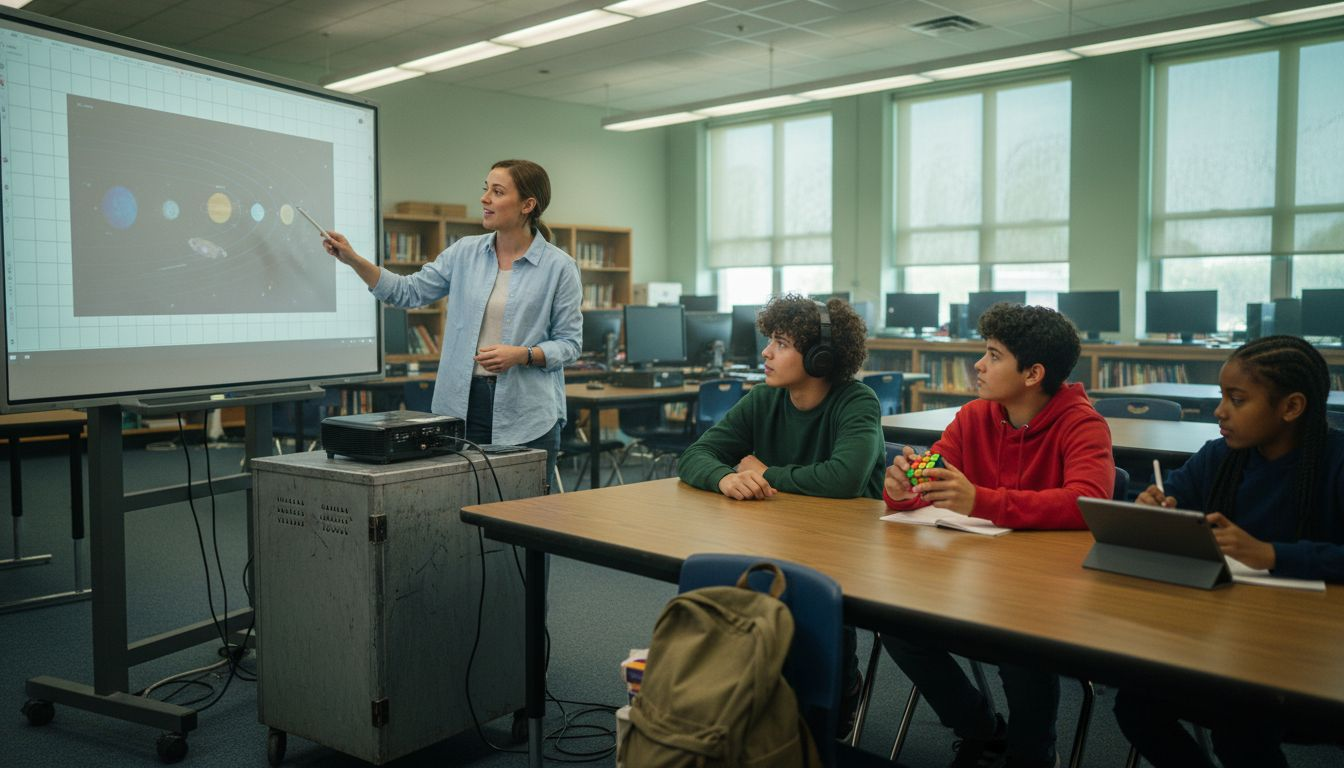
Technology plays a significant role in supporting inclusive learning environments. Interactive projection systems, adaptive learning software, and assistive technologies can help bridge gaps and provide personalized learning experiences that meet diverse student requirements. By leveraging tools like projektor murah and advanced projection display technologies, educators can create more engaging and accessible classroom experiences.
Pro tip: Regularly conduct comprehensive learner needs assessments to identify and address potential barriers to inclusive education.
Role of Projection Technology in Inclusion
Projection technology has emerged as a powerful tool for creating more inclusive and accessible learning environments. Systematic research in educational technology demonstrates how advanced projection systems can dramatically transform educational experiences for students with diverse learning needs.
Key ways projection technology supports inclusive education include:
- Visual Learning Support: Enabling multiple representation formats for complex concepts
- Adaptive Content Display: Adjusting visual information for different learning styles
- Accessibility Features: Providing enlarged text, high-contrast displays, and customizable viewing options
- Interactive Learning: Allowing real-time engagement through touch and gesture-based interfaces
- Multimedia Integration: Combining audio, visual, and interactive content
Modern projektor murah and advanced projection display technologies in Malaysia offer unprecedented opportunities for creating adaptive learning spaces. Technology for Special Education highlights how projection systems can be calibrated to meet specific student requirements, from supporting students with visual impairments to providing immersive learning experiences for neurodivergent learners.
Educational institutions can leverage projection technology to break down traditional learning barriers. Interactive projection systems allow educators to create dynamic, responsive classroom environments that accommodate different learning speeds, sensory preferences, and cognitive processing styles. By integrating tools like wireless projectors, touchscreen displays, and adaptive projection mapping, schools can develop truly inclusive educational experiences.
Pro tip: Consult with accessibility experts when selecting projection technology to ensure maximum inclusivity and adaptability for diverse student needs.
Practical Strategies for Creating Accessibility
Accessibility in educational environments requires a comprehensive and intentional approach that addresses multiple dimensions of learning diversity. Higher education recommendations emphasize the importance of developing systematic strategies that support all learners effectively.
Key practical strategies for creating accessible learning environments include:
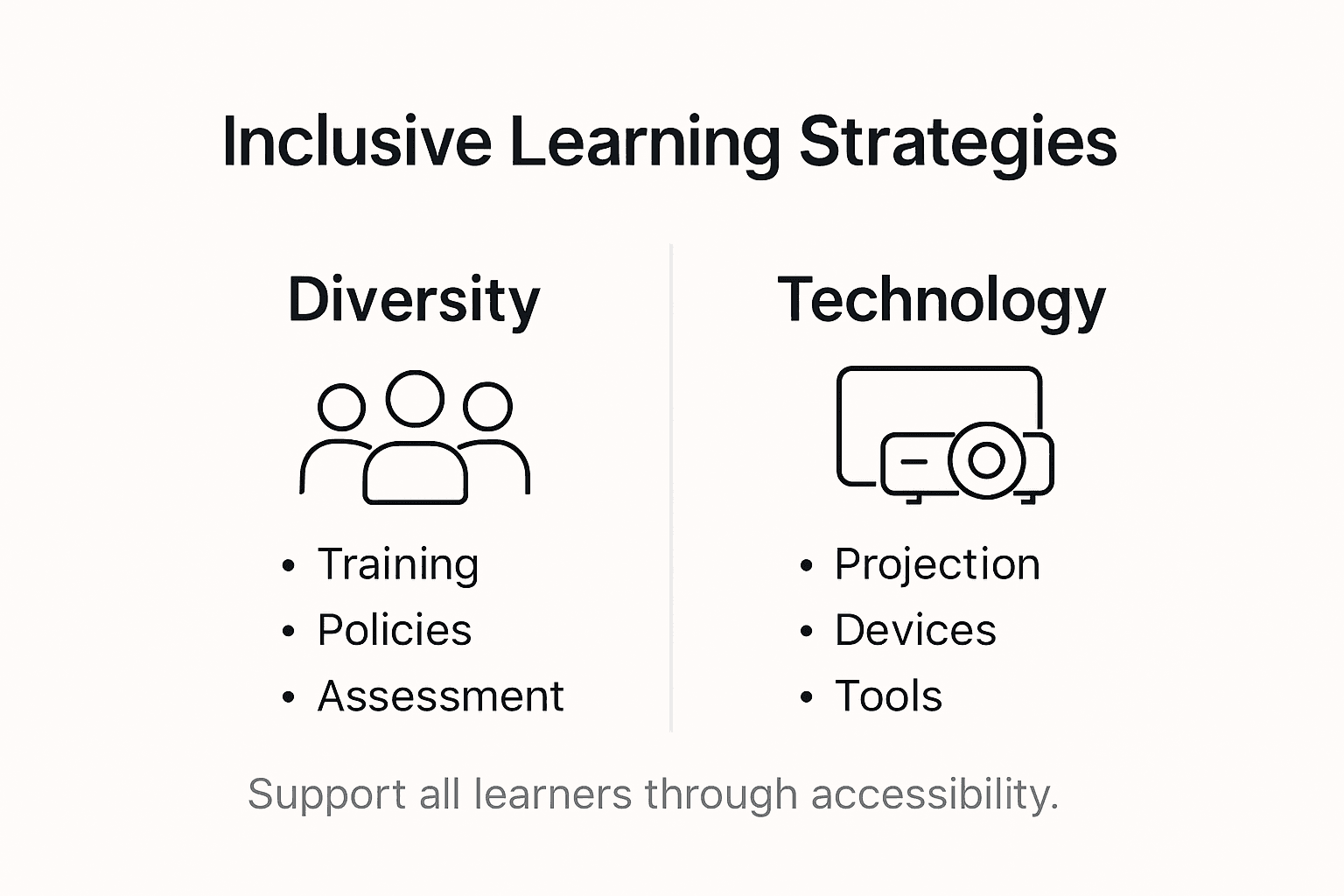
- Policy Development: Creating clear institutional policies that prioritize accessibility
- Staff Training: Providing comprehensive accessibility and universal design workshops
- Technology Integration: Implementing adaptive technologies like projektor murah and interactive projection systems
- Curriculum Design: Developing multi-modal learning materials that accommodate different learning styles
- Continuous Assessment: Regularly evaluating and updating accessibility approaches
Digital equity research14/en/pdf) highlights the critical role of technology in supporting inclusive education. Modern projection technologies in Malaysia can be strategically deployed to create more adaptable learning spaces, offering features like adjustable text size, high-contrast displays, and interactive interfaces that support diverse student needs.
Successful accessibility strategies require a holistic approach that goes beyond physical accommodations. Educational institutions must foster a culture of inclusion by embedding accessibility considerations into every aspect of institutional design. This means training educators, redesigning physical and digital spaces, and creating support systems that recognize and celebrate individual learning differences.
Pro tip: Develop a collaborative accessibility committee with representatives from different departments to ensure comprehensive and ongoing improvement of inclusive practices.
Mistakes to Avoid With Inclusive Technology
Implementing inclusive technology is a complex process that requires careful strategic planning and nuanced understanding. International education research14/en/pdf) reveals several critical mistakes that educational institutions frequently make when adopting technological solutions for diverse learners.
Common mistakes in inclusive technology implementation include:
- Insufficient Training: Deploying technologies without comprehensive educator preparation
- One-Size-Fits-All Approach: Assuming identical technological solutions work for all students
- Neglecting Infrastructure: Implementing technologies without robust technical support systems
- Overlooking Economic Disparities: Introducing expensive technologies without considering accessibility
- Limited User Feedback: Failing to continuously gather input from diverse student populations
Systematic research on educational technologies emphasizes the importance of understanding individual learner needs. Technologies like projektor murah in Malaysia must be strategically selected and implemented, considering factors beyond mere technical specifications. This means focusing on adaptability, user experience, and genuine support for diverse learning requirements.
Successful inclusive technology integration demands a holistic approach that goes beyond hardware and software. Educational institutions must create comprehensive ecosystems that address technological, pedagogical, and social dimensions of learning. This involves ongoing professional development, regular technology assessments, and a commitment to understanding the evolving needs of students with different abilities and backgrounds.
The table below contrasts successful vs. ineffective inclusive technology practices:
| Practice Type | Successful Approach | Common Pitfall |
|---|---|---|
| Educator Training | Regular hands-on workshops | Minimal or no training provided |
| Technology Choice | Needs-based, flexible selection | Standardized, rigid options |
| Infrastructure | Strong IT support and maintenance | Inadequate technical resources |
| User Feedback | Ongoing input from diverse students | Ignoring student experiences |
Pro tip: Conduct periodic accessibility audits and maintain an open dialogue with students to identify potential technological barriers and improvement opportunities.
Enhance Inclusive Learning with Leading Projection Solutions
Creating truly inclusive environments requires more than just good intentions. It demands adaptable technology that supports diverse learning needs such as visual learning support, accessibility features, and interactive engagement. If you are looking to overcome challenges like limited accessibility and lack of flexible display options, projection technology from ProjectorDisplay.com can be the key. Our range of smart, short-throw, and portable projectors offers high lumens, full HD resolution, and wireless connectivity tailored to foster an engaging and accessible classroom experience.
Take the first step toward transforming your educational space today. Discover how advanced projection solutions can help you break down barriers and create supportive academic ecosystems by exploring our offerings at ProjectorDisplay.com. With fast shipping in Malaysia and expert customer support, there is no better time to equip your learning environment for success and inclusion.
Frequently Asked Questions
What is inclusive education?
Inclusive education is an approach that recognizes and values individual differences, providing meaningful learning experiences for all students by addressing diverse learning styles, cultural backgrounds, and individual capabilities.
How can projection technology enhance inclusivity in classrooms?
Projection technology supports inclusive education by enabling visual learning, accommodating various learning styles, and providing accessibility features, such as adjustable text and high-contrast displays, to meet diverse student needs.
What are some strategies for creating an inclusive learning environment?
Strategies include developing clear accessibility policies, providing staff training on inclusivity, integrating adaptive technologies, designing multi-modal curriculum materials, and continuously assessing the effectiveness of inclusive practices.
What mistakes should institutions avoid when implementing inclusive technology?
Common mistakes include insufficient training for educators, adopting a one-size-fits-all approach, neglecting infrastructure support, overlooking economic considerations, and failing to gather ongoing feedback from students.
Recommended
- Technology for Special Education: Complete Guide – Projector Display
- 21st Century Teaching Skills: Everything You Need to Know – Projector Display
- 7 Interactive Classroom Ideas for Engaging Learning – Projector Display
- Improving Student Engagement: Strategies for Modern Classrooms – Projector Display