

Over half of American students report feeling disconnected from their classroom experiences during the school year. This growing trend affects not only academic performance but also students' enthusiasm for learning and sense of belonging. Understanding what truly drives student engagement can help transform passive classrooms into vibrant spaces where curiosity and motivation thrive, making a measurable difference in every American educational setting.
Table of Contents
- What Is Student Engagement in Education
- Types and Drivers of Student Engagement
- Role of Classroom Technology and Projectors
- Teaching Methods That Boost Participation
- Common Mistakes and How to Avoid Them
Key Takeaways
| Point | Details |
|---|---|
| Understanding Engagement Dimensions | Student engagement consists of behavioral, emotional, and cognitive dimensions, all essential for academic success and personal development. |
| Utilizing Technology Effectively | Classroom technology, especially projectors, enhances student participation and understanding by creating interactive learning environments. |
| Implementing Active Learning Strategies | Employ active learning techniques such as peer learning and problem-based learning to foster intrinsic motivation and critical thinking skills. |
| Avoiding Common Pitfalls | Educators should customize engagement strategies to avoid one-size-fits-all approaches and regularly assess their effectiveness to meet diverse student needs. |
What Is Student Engagement in Education
Student engagement is a multidimensional concept that represents students' psychological investment and active participation in learning experiences. According to research from Safe Supportive Learning, engagement encompasses behavioral, emotional, and cognitive dimensions that collectively contribute to academic success.
At its core, student engagement involves three primary components. First, behavioral engagement relates to students' active participation, including attendance, effort, and involvement in classroom activities. Second, emotional engagement reflects students' attitudes, interests, and sense of belonging within the educational environment. Third, cognitive engagement represents students' psychological investment in learning, such as strategic thinking, self-regulation, and willingness to master challenging academic content.
Research by Brookings highlights that engagement is not merely about passive learning but involves the intensity with which students apply themselves. This means students who are genuinely engaged demonstrate intrinsic motivation, curiosity, and a deep enjoyment of the learning process. Engagement transforms education from a mandatory requirement to an exciting journey of discovery and personal growth.
Pro Tip for Educators: Focus on creating interactive, personalized learning experiences that tap into students' individual interests and learning styles, as this approach dramatically increases psychological investment and classroom participation.
Key Characteristics of Highly Engaged Students:
Here's how the main dimensions of student engagement differ:
| Dimension | Focus Area | Example Behaviors | Educational Impact |
|---|---|---|---|
| Behavioral Engagement | Observable participation | Attending, contributing | Builds routines and responsibility |
| Emotional Engagement | Attitudes and feelings | Enjoyment, sense of belonging | Fosters positive class culture |
| Cognitive Engagement | Academic investment and strategy | Deep thinking, self-regulation | Promotes critical thinking skills |
- Actively participate in class discussions
- Show genuine curiosity about subject matter
- Demonstrate persistent effort even when facing challenges
- Exhibit intrinsic motivation beyond external rewards
- Develop metacognitive skills and self-reflection capabilities
Types and Drivers of Student Engagement
Student engagement encompasses multiple interconnected dimensions that shape learning experiences. According to Safe Supportive Learning research, these dimensions include behavioral, emotional, and cognitive engagement, each playing a critical role in academic success and personal development.
Behavioral engagement represents the observable aspects of student participation. This includes physical actions like consistent classroom attendance, active participation in discussions, completing assignments, and following classroom rules. Students demonstrating strong behavioral engagement are visibly invested in their learning process, showing up regularly and contributing meaningfully to academic activities.
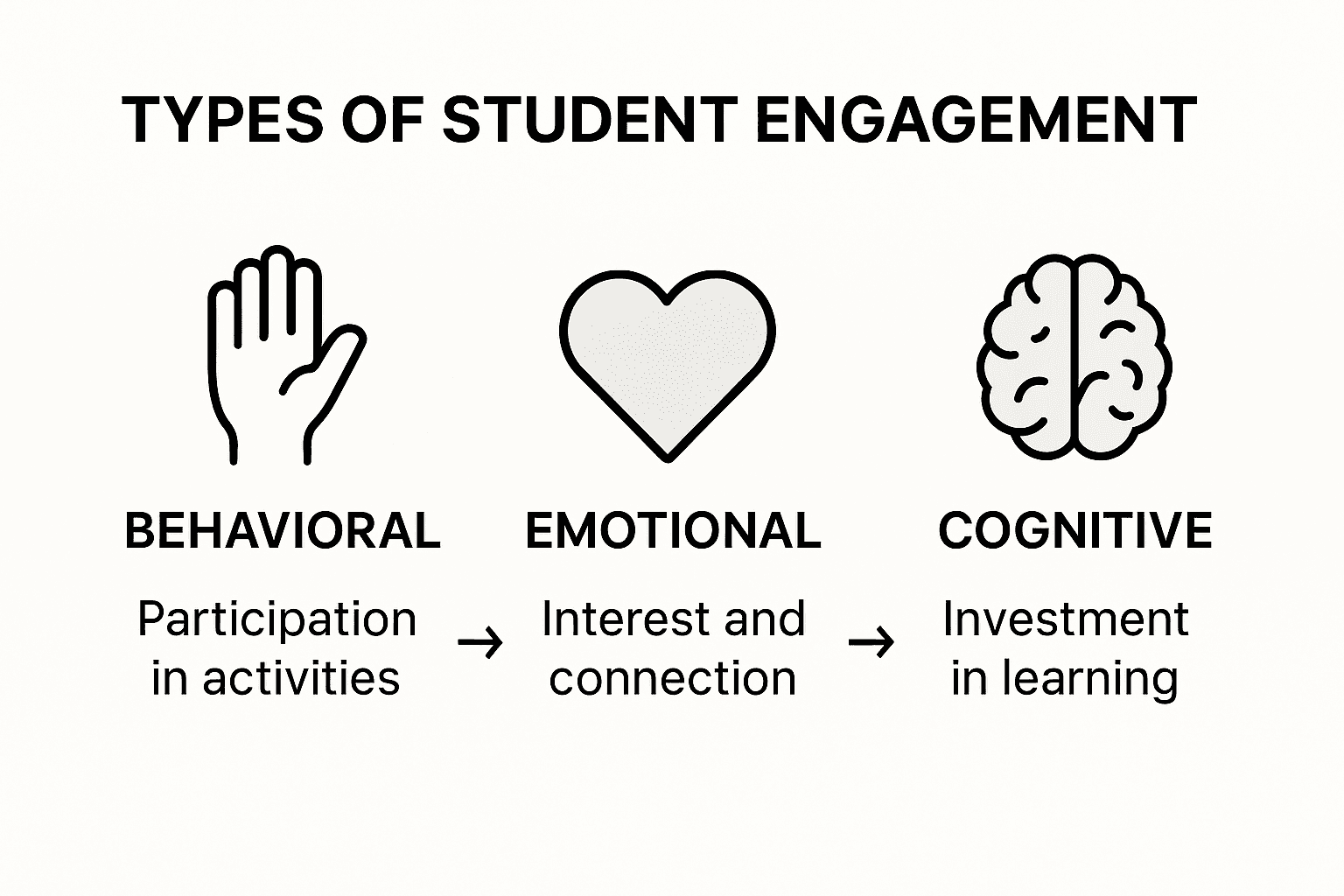
Research from California State University highlights that student engagement is driven by a complex interplay of structural and internal influences. Emotional engagement involves students' feelings about school, including their sense of belonging, interest in learning, and connections with educators and peers. Cognitive engagement focuses on students' intellectual commitment, involving deep learning strategies, critical thinking, self-regulation, and motivation to understand complex academic content.
Key Drivers of Student Engagement:
- Quality of instructor-student relationships
- Relevance and design of learning materials
- Classroom environment and culture
- Personal learning goals and motivation
- Opportunities for autonomy and self-directed learning
Pro Tip for Educators: Design learning experiences that balance structure with student autonomy, allowing learners to connect academic content with their personal interests and real-world applications.
Role of Classroom Technology and Projectors
Classroom technology has transformed educational experiences, with projectors emerging as powerful tools for enhancing student engagement and learning. Research examining personalized learning technologies reveals how digital tools can significantly improve student participation and motivation through interactive visual experiences.
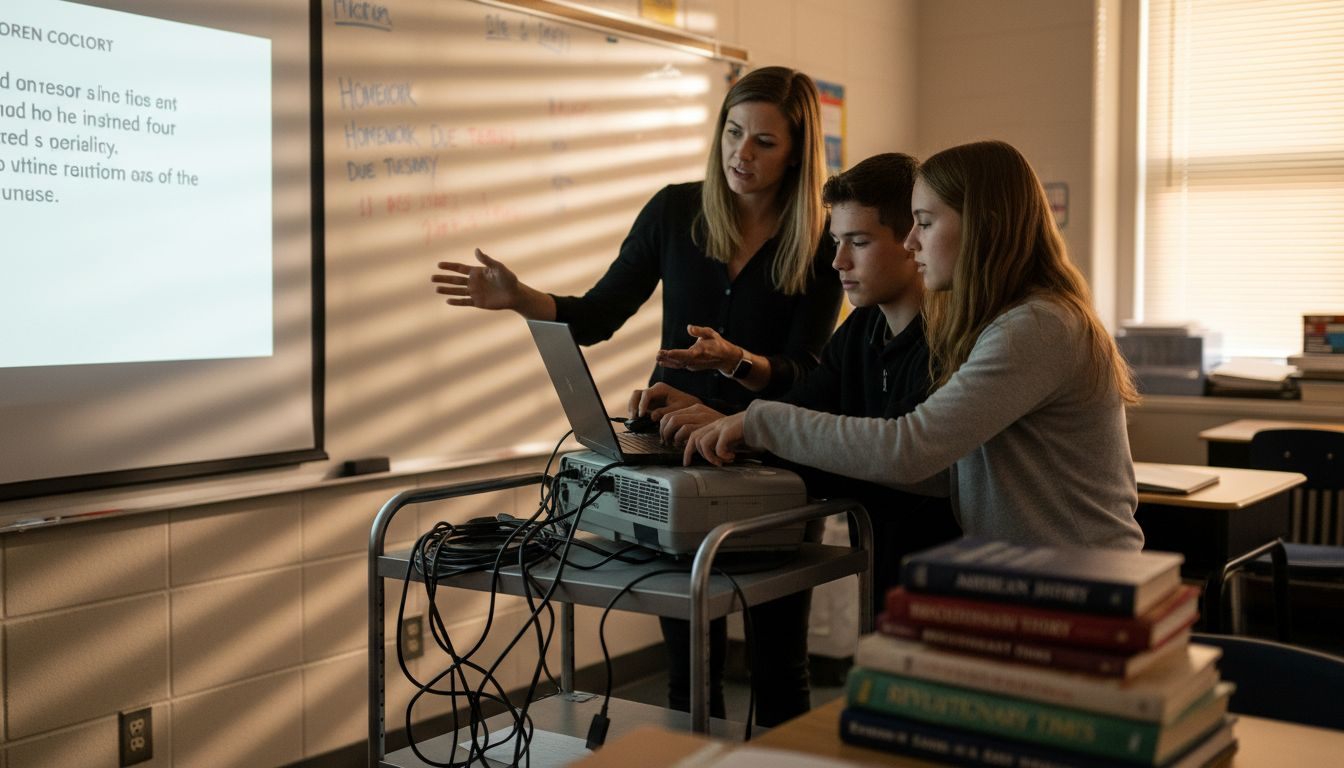
Projector technology enables educators to create dynamic, multimedia-rich learning environments that go beyond traditional teaching methods. Interactive projection systems allow teachers to display complex information, scientific visualizations, historical documentaries, and collaborative content that captures students' attention more effectively than standard textbook approaches. Advanced video-based engagement measurement research demonstrates how technological tools can analyze and enhance student interaction with presented materials.
Key Benefits of Classroom Projection Technology:
- Supports multiple learning styles
- Enables real-time visual demonstrations
- Allows interactive content presentation
- Increases information retention
- Facilitates remote and hybrid learning models
Modern projectors like those from Classroom AV Solutions integrate seamlessly with digital learning platforms, providing high-resolution displays that make complex concepts more accessible and engaging. These technologies transform passive learning into an immersive, interactive experience that resonates with digital-native students.
Pro Tip for Tech Integration: Select projectors with wireless connectivity and screen-sharing capabilities to maximize classroom flexibility and encourage student-driven presentation opportunities.
Technological Considerations for Classroom Projectors:
- Brightness levels suitable for classroom lighting
- Resolution and image clarity
- Compatibility with various digital platforms
- Durability and maintenance requirements
- Cost-effectiveness of long-term use
Teaching Methods That Boost Participation
Active learning strategies are essential for transforming traditional classroom dynamics and encouraging student involvement. Research on emotionally enriched feedback mechanisms suggests that incorporating emotional intelligence into instructional approaches can significantly enhance student engagement and motivation.
Interactive teaching methods break down the traditional lecture model, creating opportunities for students to become active participants in their learning journey. Physiological signal analysis research demonstrates that monitoring cognitive and emotional states can help educators design more responsive and engaging instructional experiences. Techniques such as collaborative learning, problem-based scenarios, and student-led discussions encourage critical thinking and intrinsic motivation.
Effective Participation-Boosting Techniques:
- Flipped classroom methodology
- Socratic questioning
- Peer-to-peer learning groups
- Real-world problem solving
- Interactive technology integration
Modern educators can leverage 7 Essential Tips for Classroom Projector Use to create dynamic, interactive learning environments that promote student participation. By transforming passive listening into active exploration, teachers can cultivate a more engaging and responsive classroom culture.
Pro Tip for Educators: Design learning experiences that balance structured guidance with student autonomy, allowing learners to take ownership of their educational journey while providing supportive scaffolding.
Key Principles of Participatory Learning:
This table compares teaching methods commonly used to enhance student participation:
| Method | Student Role | Strengths | Best Used When |
|---|---|---|---|
| Flipped Classroom | Active learner | Promotes preparation | Assignments can be previewed |
| Socratic Questioning | Reflective responder | Deepens understanding | Exploring complex topics |
| Peer Learning Groups | Collaborative member | Builds teamwork skills | Encouraging peer-to-peer support |
| Problem-Based Learning | Problem solver | Enhances real-world skills | Applying concepts practically |
- Encourage student voice and choice
- Create safe spaces for experimentation
- Provide constructive and emotionally intelligent feedback
- Recognize diverse learning styles
- Promote intrinsic motivation through meaningful challenges
Common Mistakes and How to Avoid Them
Student engagement strategies require careful implementation to avoid unintended consequences. Patterns of student disengagement research reveals that many educators inadvertently create environments where students become compliant without being emotionally or cognitively invested in their learning.
One of the most significant mistakes is treating engagement as a one-size-fits-all approach. International student engagement assessments highlight that student interest naturally fluctuates, particularly during high school years. Educators must recognize that maintaining engagement requires dynamic, personalized strategies that adapt to changing student needs and learning contexts.
Critical Engagement Mistakes to Avoid:
- Over-relying on passive lecture formats
- Ignoring individual learning preferences
- Failing to provide meaningful context
- Neglecting emotional aspects of learning
- Using punitive assessment methods
Technology can be a double-edged sword in classroom engagement. Classroom Projector Setup Guide emphasizes the importance of thoughtful technology integration, ensuring that digital tools enhance rather than distract from learning objectives.
Pro Tip for Educators: Continuously assess and adjust your engagement strategies, recognizing that what works for one group of students may not work for another.
Strategies for Preventing Disengagement:
- Regularly solicit student feedback
- Create flexible learning environments
- Demonstrate real-world relevance of content
- Build positive classroom relationships
- Encourage student autonomy and choice
Elevate Student Engagement with Cutting-Edge Projection Technology
The article highlights the challenge of fostering deep behavioral, emotional, and cognitive engagement in modern classrooms. Educators are searching for ways to transform passive learning into active participation while meeting diverse student needs. One effective solution is integrating advanced classroom technology, especially high-quality projectors that deliver vibrant visuals and interactive content to captivate learners and support personalized teaching methods.

Discover how the right projector can create immersive learning environments that boost student attention, motivation, and participation. At ProjectorDisplay.com, you will find a wide selection of projectors designed to meet educational demands including portable, laser, and smart models with features such as high lumens and wireless connectivity. Act now to enhance your classroom setup and encourage meaningful engagement using technology tailored for educators. Explore our expert Classroom AV Solutions Guide and learn practical tips from our 7 Essential Tips for Classroom Projector Use today.
Frequently Asked Questions
What are the primary components of student engagement in modern classrooms?
Student engagement is comprised of three primary components: behavioral engagement, which includes active participation; emotional engagement, which involves students' attitudes and sense of belonging; and cognitive engagement, which reflects their psychological investment in learning and strategic thinking.
How can technology, such as projectors, enhance student engagement?
Technology like projectors can create dynamic, multimedia-rich environments that capture students' attention, support various learning styles, and provide interactive presentations, thus transforming passive learning into an immersive experience.
What are some effective teaching methods that boost student participation?
Effective methods include flipped classrooms, Socratic questioning, peer-to-peer learning groups, problem-based learning, and the integration of interactive technology, all aimed at fostering active involvement from students.
What common mistakes should educators avoid to improve student engagement?
Educators should avoid over-relying on passive lecture formats, neglecting individual learning preferences, failing to provide meaningful context, ignoring emotional aspects of learning, and using punitive assessment methods that can hinder student motivation.