
Over 60 percent of American households now rely on smart devices daily, yet few realize how rapidly projection technology is evolving. As American consumers and organizations seek smarter, more efficient ways to share visuals and collaborate, innovations like AI powered projectors and wireless connectivity are reshaping expectations. This guide uncovers the latest trends transforming modern display systems, from intelligent automation and seamless cloud integration to eco friendly features that support sustainable choices.
Table of Contents
- Embracing AI-Powered Smart Projectors
- Leveraging Cloud Integration for Seamless Sharing
- Utilizing Interactive Displays in Classrooms
- Wireless Connectivity for Flexible Installations
- Prioritizing Data Security in Digital Displays
- Adopting Remote Collaboration Tools
- Eco-Friendly Tech for Sustainable Presentations
Quick Summary
| Key Message | Explanation |
|---|---|
| 1. AI Enhances Projector Functionality | AI-powered projectors automatically adjust settings based on user environment, improving image quality and user experience. |
| 2. Cloud Integration Enables Easy Sharing | Connecting projectors with cloud platforms allows instant content sharing across devices, enhancing collaboration and communication. |
| 3. Interactive Displays Foster Engagement | Interactive displays in classrooms promote collaborative learning by allowing students to manipulate content in real time. |
| 4. Wireless Connectivity Provides Flexibility | Wireless technologies facilitate easy installation and multi-device integration, making presentations more agile and adaptable. |
| 5. Data Security is Essential for Digital Displays | Implementing strong security measures is critical to protect sensitive information in interconnected digital display environments. |
1. Embracing AI-Powered Smart Projectors
Artificial intelligence is revolutionizing projection technology by transforming traditional projectors into intelligent visual systems that adapt and respond to user environments. AI powered smart projectors are no longer just display devices but sophisticated technological companions that optimize visual experiences through advanced machine learning algorithms.
These intelligent projectors leverage computer vision and predictive analytics to automatically adjust image quality, screen positioning, and environmental settings in real time. By analyzing room characteristics like ambient light, wall color, and viewing distance, AI enables projectors to dynamically calibrate brightness, contrast, and color temperature without manual intervention.
Practical applications of AI in smart projectors extend beyond simple image enhancement. Imagine a projector that recognizes the type of content being displayed selecting optimal color profiles for presentations, movies, or gaming automatically. Some advanced models can even track viewer movements detect when someone enters the room and adjust focus or screen orientation accordingly.
Key AI Enhanced Features:
• Automatic keystoning and screen alignment
• Dynamic brightness and contrast adjustment
• Intelligent color temperature optimization
• Predictive maintenance alerts
• Voice and gesture control integration
The research from advanced AI space development studies indicates that machine learning algorithms are increasingly enabling devices to create more personalized and adaptive user experiences. For projector technology this means smarter, more intuitive visual solutions that seamlessly integrate into modern smart home and professional environments.
While the technology continues evolving, consumers can already experience remarkable improvements in projection quality and user interaction through AI powered smart projectors. These intelligent devices represent a significant leap forward in display technology transforming how we interact with visual content across various settings.
2. Leveraging Cloud Integration for Seamless Sharing
Cloud integration represents a transformative approach to content sharing and collaboration across digital display systems. By connecting projectors and visual technologies through advanced cloud platforms, users can now access, manage, and distribute multimedia content with unprecedented ease and flexibility.
Cloud powered projector systems enable seamless content synchronization across multiple devices and locations. This technology eliminates traditional barriers of physical connectivity, allowing instant sharing of presentations, educational materials, and multimedia content from smartphones, laptops, and tablets directly to projection systems.
Research on cloud based learning management systems demonstrates significant advantages in resource optimization and collaborative potential. Educational and professional environments can now leverage cloud integration to streamline content distribution, reduce technical complexity, and enhance overall communication efficiency.
Strategic Cloud Integration Benefits:
• Real time content synchronization
• Multi device accessibility
• Secure remote sharing capabilities
• Reduced hardware dependency
• Simplified content management
Practical implementation involves selecting cloud compatible projectors that support major platforms like Google Drive, Dropbox, and Microsoft OneDrive. These systems allow users to wirelessly stream content, schedule presentations, and collaborate across geographic boundaries without complex technical configurations.
The emerging trend of cloud integration transforms projectors from standalone display devices into intelligent, interconnected communication platforms. By embracing these technologies, professionals and educators can create more dynamic, responsive, and efficient visual communication environments.
3. Utilizing Interactive Displays in Classrooms
Interactive displays are transforming educational environments by creating dynamic learning spaces that engage students through technology driven pedagogical approaches. These sophisticated visual systems go beyond traditional projection methods, enabling real time interaction and collaborative learning experiences.
Interactive classroom technologies leverage touch sensitive surfaces and advanced software to create immersive learning environments. Students can directly manipulate content, solve problems collaboratively, and interact with educational materials in ways that were impossible with conventional teaching tools.
Research on cloud based learning platforms demonstrates significant potential for inclusive education, particularly in supporting students with diverse learning needs. Interactive displays enable multiple students to engage simultaneously, breaking down traditional barriers of classroom participation.
Key Interactive Display Features:
• Multi touch capabilities
• Real time collaborative editing
• Adaptive learning interfaces
• Gesture based navigation
• Instant content sharing
Practical implementation involves selecting projectors and displays with robust interactive capabilities. Educators can transform lessons by allowing students to solve mathematical problems directly on screen, annotate scientific diagrams, or collaborate on group projects with unprecedented ease.
The future of classroom learning lies in these adaptive technological environments that promote active participation and personalized learning experiences. By embracing interactive display technologies, educational institutions can create more engaging and effective learning ecosystems.
4. Wireless Connectivity for Flexible Installations
Wireless connectivity is revolutionizing display technology by eliminating traditional physical constraints and enabling unprecedented installation flexibility. Modern projection systems now leverage advanced wireless technologies to create seamless visual experiences across diverse environments.
Digital communication technologies have dramatically transformed how devices interact and share information. Wireless connectivity allows projectors to stream content from multiple sources simultaneously without complex cable management or proximity limitations.
Research on digital twin communications reveals groundbreaking potential for wireless systems that combine cloud computing, artificial intelligence, and mobile connectivity. These technologies enable projection systems to adapt dynamically to user requirements and environmental conditions.
Wireless Connectivity Advantages:
• Simplified installation processes
• Reduced cable infrastructure requirements
• Enhanced device mobility
• Seamless multi device integration
• Lower infrastructure maintenance costs
Practical implementation involves selecting projectors with robust wireless protocols like WiFi 6, Miracast, and AirPlay. Users can now project content from smartphones, laptops, and tablets with minimal technical configuration, creating more agile and responsive visual communication environments.
The future of display technology lies in creating intelligent wireless ecosystems that prioritize user experience and technological adaptability. By embracing wireless connectivity, organizations can develop more flexible and efficient visual communication strategies.
5. Prioritizing Data Security in Digital Displays
Data security has become a critical concern in modern digital display technologies, with organizations increasingly recognizing the potential vulnerabilities inherent in interconnected visual systems. As projection and display technologies become more sophisticated, protecting sensitive information has transformed from an optional consideration to an absolute necessity.
Bring your own device strategies highlight the complexity of securing digital display environments where multiple devices can potentially access and interact with projection systems. Modern display technologies must implement robust encryption protocols and comprehensive access management frameworks to prevent unauthorized data breaches.
Research on cloud computing integration reveals sophisticated approaches to securing digital information across interconnected platforms. Advanced security measures now include multilayered authentication, end to end encryption, and real time monitoring of network access points.
Key Data Security Strategies:
• Implement strong user authentication protocols
• Encrypt wireless transmission channels
• Restrict device access permissions
• Use secure network protocols
• Regular security vulnerability assessments
Practical implementation requires a proactive approach to digital security. Organizations should invest in advanced projection systems with built in security features, conduct regular security audits, and train personnel on best practices for protecting sensitive visual information.
The future of digital displays lies not just in technological capability but in creating secure, trustworthy environments where information can be shared confidently and efficiently. By prioritizing data security, organizations can harness the full potential of advanced display technologies without compromising sensitive information.
6. Adopting Remote Collaboration Tools
Remote collaboration tools have transformed how organizations and educational institutions communicate and work together across geographical boundaries. These advanced digital platforms enable seamless interaction through integrated communication and visualization technologies.
Digital collaboration strategies now leverage sophisticated software that allows teams to share screens, annotate documents, and conduct real time presentations with unprecedented ease. Modern projection and display technologies play a crucial role in creating immersive virtual meeting experiences.
Research on cloud based collaboration platforms demonstrates significant improvements in organizational efficiency and team productivity. These tools transcend traditional communication barriers by providing intuitive interfaces that support multiple users simultaneously.
Key Remote Collaboration Features:
• Synchronized screen sharing
• Real time document editing
• Interactive whiteboard capabilities
• Multi device compatibility
• Advanced permission management
Practical implementation involves selecting tools with robust security protocols and seamless integration across different devices and operating systems. Organizations should prioritize platforms that offer high quality video transmission, reliable audio communication, and secure data exchange.
The future of work and education lies in creating flexible collaborative environments that connect people regardless of physical location. By adopting sophisticated remote collaboration technologies, teams can achieve unprecedented levels of communication and productivity.
7. Eco-Friendly Tech for Sustainable Presentations
Sustainable technology is transforming presentation environments by integrating energy efficient solutions that minimize environmental impact without compromising performance. Modern display technologies now prioritize ecological responsibility alongside technological innovation.
Sustainable office solutions demonstrate how organizations can reduce carbon footprints through intelligent technology selection. Energy efficient projectors and display systems represent a critical pathway toward creating more environmentally conscious workplace ecosystems.
Research on interactive technological interfaces highlights innovative approaches to reducing digital waste and promoting sustainable technology consumption. Advanced projector systems now incorporate features that dramatically reduce power consumption and extend equipment lifecycles.
Eco Friendly Technology Features:
• Low energy consumption modes
• Automatic power management
• Recyclable component design
• Extended equipment lifespan
• Minimal heat generation
Practical implementation involves selecting projection technologies with high energy efficiency ratings, using LED and laser projection systems, and implementing smart power management strategies. Organizations can significantly reduce electrical consumption by choosing projectors with automatic shutoff features and minimal standby power requirements.
The future of presentation technology lies in creating solutions that balance performance with environmental responsibility. By embracing eco friendly display technologies, businesses and educational institutions can demonstrate commitment to sustainable practices while maintaining cutting edge technological capabilities.
The table below summarizes key advancements and considerations in modern projection technologies, covering AI enhancements, cloud integration, interactive displays, wireless connectivity, data security, remote collaboration, and eco-friendly tech.
| Topic | Description | Benefits/Key Features |
|---|---|---|
| AI-Powered Smart Projectors | Transform projectors with machine learning for optimized visuals. | Auto adjustments, content recognition, voice/gesture control. |
| Cloud Integration | Streamlines content sharing across devices. | Real-time sync, reduced hardware needs, remote access. |
| Interactive Displays | Enables real-time engagement in educational settings. | Multi-touch, collaborative editing, adaptive interfaces. |
| Wireless Connectivity | Offers installation flexibility for projectors. | Simplified setup, device mobility, seamless integration. |
| Data Security | Critical in interconnected systems to protect data. | Strong authentication, encryption, secure protocols. |
| Remote Collaboration | Supports communication beyond geographical limits. | Screen sharing, document editing, whiteboard features. |
| Eco-Friendly Tech | Promotes sustainable presentation solutions. | Low energy modes, recyclable components, power management. |
Upgrade Your Visual Experience with Smarter Display Solutions Today
The digital transformation trends highlighted in this article focus on key challenges such as improving image quality automatically, seamless wireless connectivity, interactive learning environments, and secure data sharing across devices. If you want to overcome these obstacles and embrace features like AI-powered smart projectors, cloud integration, and wireless flexibility you need projector solutions designed for the modern user. Whether you are an educator seeking interactive classroom technologies or a business professional requiring secure high-definition presentations, the right equipment can transform your visual communications.
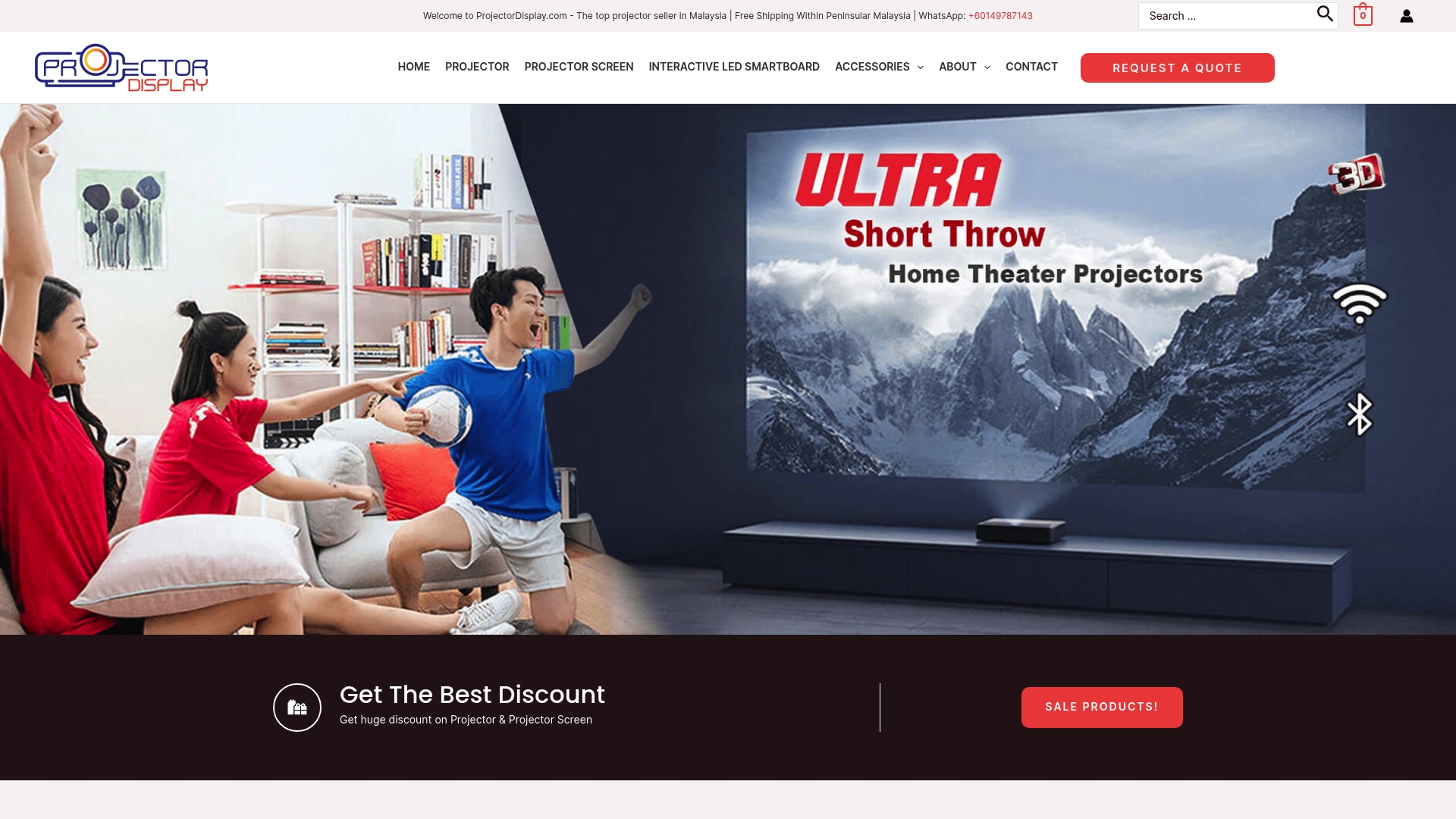
Explore a wide range of high-quality projectors and interactive displays at ProjectorDisplay.com. Start with our selection of AI-powered smart projectors to experience automatic image calibration and voice control. Ensure flexible setups using wireless-enabled models that support multiple devices simultaneously. Don't wait to enhance your presentations and collaborations with cutting-edge technology crafted for performance and ease. Visit ProjectorDisplay.com now to find the perfect digital display solutions and get expert support for your upgrade.
Frequently Asked Questions
What are AI-powered smart projectors and how can they enhance my presentations?
AI-powered smart projectors are advanced projectors that use artificial intelligence to automatically optimize image quality and adjust settings based on the environment. To enhance your presentations, consider investing in these projectors to ensure better brightness, contrast, and color accuracy without manual adjustments.
How does cloud integration improve content sharing in digital displays?
Cloud integration allows users to access and share multimedia content seamlessly across various devices and locations. To take advantage of this, use projectors that support major cloud platforms to streamline content distribution and enhance collaboration during presentations or meetings.
What features should I look for in interactive displays for educational purposes?
Look for interactive displays that provide multi-touch capabilities, real-time collaborative editing, and intuitive navigation. Selecting displays with these features will enable students to engage actively with the material, enhancing learning experiences significantly.
How can wireless connectivity benefit the installation of display systems?
Wireless connectivity simplifies the installation process by eliminating the need for extensive cable management and allowing devices to connect easily. To reap the benefits, choose projectors that support modern wireless protocols, enabling flexible content projection from various devices.
What steps can I take to ensure data security in digital displays?
To ensure data security, implement strong user authentication, encrypt wireless connections, and restrict access to only authorized devices. Regularly assess your security measures to identify vulnerabilities and maintain a secure digital display environment.
How can I implement eco-friendly technology in my presentation solutions?
Implement eco-friendly technology by selecting energy-efficient projectors and leveraging features like automatic power management. By choosing technologies designed to reduce energy consumption, you can significantly lower your carbon footprint while ensuring effective presentations.