
Every Malaysian parent knows the struggle of finding harmony between valuable screen time and quality family moments at home. As technology becomes part of daily routines, balancing digital convenience with meaningful experiences feels more complicated than ever. This guide highlights technology life balance and showcases how projectors can enrich both learning and entertainment, helping families create routines that support curiosity, emotional connection, and healthy habits without feeling overwhelmed by screens.
Table of Contents
- Defining Technology Life Balance Today
- Types Of Technology Use In Families
- Projectors Enhancing Home Learning And Fun
- Risks Of Excessive Screen Exposure
- Practical Steps For Managing Screen Time
Key Takeaways
| Point | Details |
|---|---|
| Technology Life Balance | Families should integrate technology thoughtfully to enhance personal well-being rather than strictly manage screen time. |
| Types of Technology Use | Malaysian families utilize various technologies for education, communication, and entertainment, impacting their dynamics positively and negatively. |
| Projectors in Learning | Home projectors can facilitate dynamic learning and recreation, enhancing engagement and collaborative experiences. |
| Screen Time Management | Implement clear boundaries and promote alternative activities to ensure balanced and intentional technology use in families. |
Defining technology life balance today
Technology life balance represents more than a simple division between screen time and offline activities. Modern Malaysian families understand this concept involves thoughtful integration of digital tools and personal experiences.
Research indicates that technology life balance has evolved from rigid time management strategies to a dynamic negotiation process involving continuous adjustment. Rather than creating strict boundaries, contemporary approaches emphasize creating meaningful technological interactions that enhance personal well-being. This means understanding how digital devices can support rather than dominate family life.
The key components of effective technology life balance include:
- Psychological well-being
- Intentional time allocation
- Personal satisfaction
- Organizational support
- Adaptive management strategies
Understanding technology integration requires recognizing that digital experiences are not inherently negative. Modern perspectives emphasize quality engagement across professional and personal domains, focusing on how technology can create harmony tailored to individual family needs.
Pro tip: Create a family technology agreement that establishes shared guidelines for device usage, ensuring everyone understands expectations and feels empowered to maintain healthy digital boundaries.
Types of technology use in families
Digital technology has transformed how Malaysian families interact, communicate, and learn together. These technological interactions span multiple domains, each serving unique purposes and contributing to family dynamics in nuanced ways.
Diverse digital media uses go beyond simple time tracking, encompassing educational, communicative, and entertainment platforms. Families now leverage technology through several distinct categories:
- Educational Technology
- Learning apps for children
- Interactive educational platforms
- Skill development resources
- Online tutoring tools
- Communication Technologies
- Instant messaging platforms
- Video calling applications
- Family shared digital calendars
- Location sharing services
- Entertainment Technologies
- Streaming media services
- Online gaming platforms
- Digital movie and music platforms
- Interactive family entertainment apps
Family communication technologies reveal complex interaction patterns where digital tools can either strengthen emotional connections or potentially create communication barriers. Understanding these nuances helps families develop healthier technological engagement strategies.
The table below contrasts digital technology categories and their main effects on Malaysian family interactions:
| Technology Type | Primary Role | Typical Impact on Family Life |
|---|---|---|
| Educational Platforms | Support learning and growth | Encourage curiosity and shared learning |
| Communication Tools | Enable daily connection | Strengthen, but may complicate bonds |
| Entertainment Media | Provide shared recreation | Boost enjoyment, but risk screen fatigue |
Pro tip: Conduct a monthly family technology audit to assess how different digital tools are being used and identify opportunities for more intentional, balanced technology interactions.
Projectors enhancing home learning and fun
Home projectors have emerged as powerful tools that transform living spaces into dynamic learning and entertainment environments for Malaysian families. These versatile devices bridge educational and recreational experiences, creating interactive opportunities beyond traditional screen limitations.
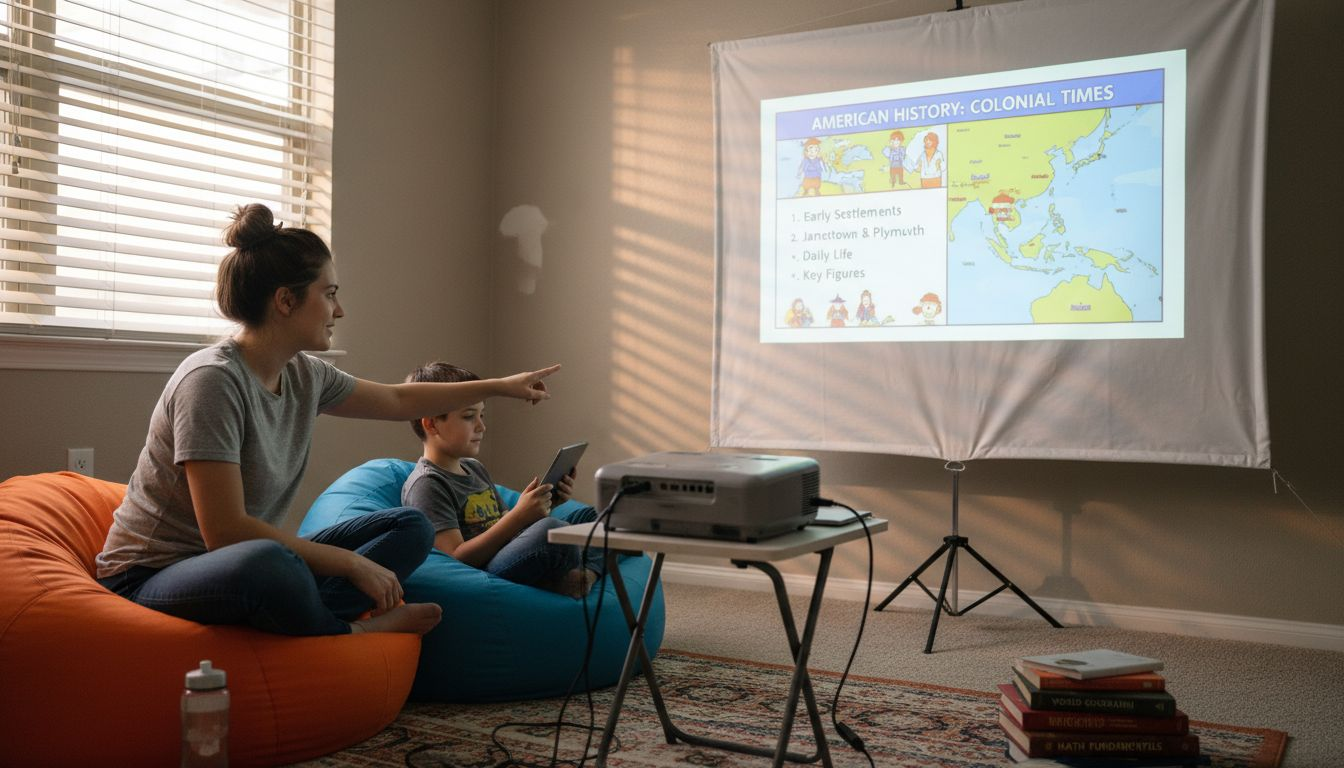
Projector technology dramatically improves student learning by enhancing engagement, focus, and comprehension. Research indicates that visual learning environments can increase student attention and understanding through large-scale, interactive displays.
Key benefits of home projectors include:
- Immersive educational content delivery
- Interactive learning experiences
- Collaborative family multimedia activities
- Flexible screen size adaptability
- Cost-effective alternative to traditional displays
Versatile display options enable families to create adaptive learning spaces that seamlessly transition between educational and entertainment modes. Whether hosting a science lesson, watching documentaries, or enjoying family movie nights, projectors offer unparalleled flexibility in home multimedia experiences.
Multimedia learning environments powered by projectors encourage active participation, visual comprehension, and shared family experiences. By transforming walls into expansive screens, these devices make learning more engaging and fun for children and adults alike.
Pro tip: Position your home projector strategically to maximize screen visibility and minimize eye strain by ensuring proper distance and ambient lighting conditions.
Risks of excessive screen exposure
Screen time has become a critical concern for Malaysian families navigating the complex digital landscape of modern parenting. Understanding the potential neurological and psychological impacts helps parents make informed decisions about technology use.
Excessive screen exposure consistently links to adverse neurological outcomes across different age groups. Research demonstrates significant risks associated with prolonged digital interactions, particularly for developing children and adolescents.
Key neurological and psychological risks include:
- Cognitive development impairment
- Reduced attention span
- Increased anxiety levels
- Memory function disruption
- Potential early neurodegeneration
- Lowered self-esteem
- Behavioral modification challenges
Mental health research reveals complex screen time correlations suggesting that unregulated digital consumption can trigger multiple developmental challenges. The cumulative effect of chronic screen exposure extends beyond immediate behavioral changes, potentially influencing long-term neurological health.
Parents must recognize that managing screen time is not about complete elimination but creating balanced, intentional digital interactions that support healthy cognitive and emotional development.
Pro tip: Implement a graduated screen time tracking system that gradually reduces digital exposure while introducing alternative engaging activities for children.
Practical steps for managing screen time
Screen time management requires a strategic approach that balances technology's benefits with potential risks for Malaysian families. Understanding practical intervention techniques helps parents create healthier digital environments at home.
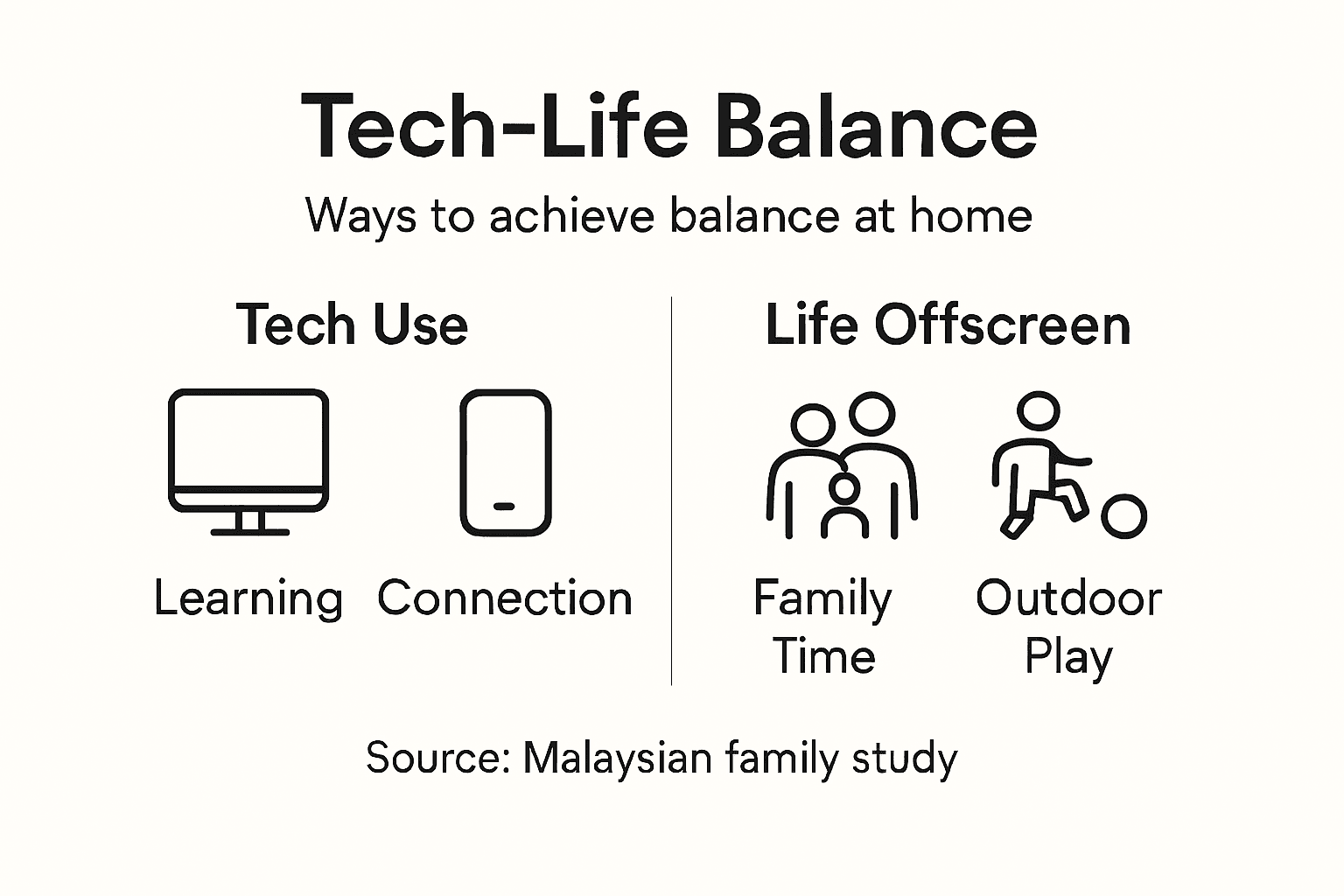
Behavioral interventions can effectively reduce screen time by implementing targeted strategies that promote mindful technology use. These approaches focus on creating awareness and developing conscious digital consumption habits.
Practical steps for managing family screen time include:
- Establish Clear Technology Boundaries
- Create designated device-free zones
- Set specific daily screen time limits
- Develop consistent family technology rules
- Use Technology Management Tools
- Enable parental control settings
- Use screen time tracking applications
- Disable non-essential notifications
- Create digital curfews
- Promote Alternative Activities
- Encourage outdoor physical activities
- Plan family game nights
- Support hobby development
- Create interactive learning experiences
Digital skills development supports healthy technology interactions by equipping families with strategies to navigate digital environments safely and productively. The goal is not complete elimination but creating intentional, balanced digital experiences.
The following table summarizes strategies for effective screen time management and their expected benefits:
| Management Method | Implementation Tip | Expected Benefit |
|---|---|---|
| Device-free zones | Set up no-tech meal spaces | Enhance family interaction |
| Tracking applications | Monitor daily usage as a family | Raise digital self-awareness |
| Promoting alternatives | Schedule outdoor play or hobbies | Support balanced lifestyle |
Pro tip: Create a visual family technology contract that includes screen time limits, shared expectations, and rewards for responsible digital behavior.
Achieve the Perfect Technology Life Balance with ProjectorDisplay.com
Malaysian families face the challenge of integrating technology without letting screens dominate their lives. The article highlights the importance of intentional technology use and managing screen time to protect cognitive development and foster meaningful family interaction. Home projectors offer an ideal solution by transforming learning and entertainment experiences into immersive, shared activities that promote engagement while reducing excessive individual screen exposure.

Discover a wide range of projectors tailored for home education and family fun at ProjectorDisplay.com. Whether you seek a smart projector with wireless connectivity or a portable model to create interactive learning moments, our products help you balance technology positively. Take control of your family's digital environment today by exploring our quality options designed to enhance focus, encourage collaboration, and reduce screen fatigue. Visit our site now to find the perfect projector that supports your journey toward a healthier, happier technology life balance.
Frequently Asked Questions
What is technology life balance?
Technology life balance refers to the thoughtful integration of digital tools and personal experiences rather than just the division between screen time and offline activities. It focuses on creating meaningful technological interactions that enhance well-being.
How can families create a technology agreement?
Families can create a technology agreement by establishing shared guidelines for device usage that outline expectations, set boundaries, and encourage healthy digital habits among all members.
What are the risks of excessive screen exposure for children?
Excessive screen exposure can lead to several risks for children, including cognitive development impairment, reduced attention span, increased anxiety levels, and memory function disruption. It's important for parents to manage screen time effectively.
What are some effective strategies for managing screen time?
Effective strategies for managing screen time include establishing clear technology boundaries, using technology management tools like parental controls, and promoting alternative activities such as outdoor play and hobbies.