

Most American research highlights that classrooms using personalized learning see up to 30 percent higher student engagement. For educators in Malaysia, the challenge is finding effective ways to keep every student involved and inspired. With today's advanced projection technology and interactive displays, Malaysian teachers can move beyond traditional methods to create lessons that match each learner's unique needs and interests.
Table of Contents
- Personalized Learning: Core Concepts And Misconceptions
- Types Of Personalized Learning Approaches
- How Interactive Displays Enhance Personalization
- Measurable Impact On Student Engagement And Results
- Common Challenges And Mistakes To Avoid
Key Takeaways
| Point | Details |
|---|---|
| Personalized Learning Focuses on Individual Needs | This educational approach tailors instruction to each student's learning style, pace, and strengths. |
| Technology is a Tool, Not the Goal | Effective personalized learning involves creating dynamic experiences, not merely reliance on digital platforms. |
| Incremental Implementation is Key | Start by assessing student learning styles and gradually introduce flexible lesson plans to accommodate diverse preferences. |
| Continuous Assessment Improves Outcomes | Regular tracking of student progress helps refine personalized strategies and address individual learning gaps effectively. |
Personalized learning: Core concepts and misconceptions
Personalized learning represents a sophisticated educational approach that goes far beyond simplistic technology integration. At its core, this strategy involves tailoring instructional experiences to meet individual student learning needs, preferences, and potential. Unlike traditional one-size-fits-all classroom models, personalized learning recognizes that students have unique cognitive pathways, learning speeds, and comprehension styles.
Research reveals that personalized learning is fundamentally a student-centered instructional approach optimized for individual learning outcomes. This means educators must move beyond generic curriculum delivery and instead design flexible learning environments that adapt to each student's strengths, challenges, and academic goals. The approach requires a nuanced understanding of pedagogical theory, technological integration, and individualized assessment strategies.
Common misconceptions about personalized learning frequently emerge from misunderstanding its theoretical foundations. Many educators mistakenly believe that personalized learning is synonymous with digital technology or automated learning platforms. However, smart education research emphasizes that technology is merely a tool, not the primary objective. The real essence lies in creating responsive, dynamic learning experiences that recognize and support each student's unique educational journey.
Key Characteristics of Personalized Learning:
- Individualized learning pathways
- Flexible assessment methods
- Student-driven progress tracking
- Adaptive instructional strategies
- Holistic skill development approach
Pro tip: Start implementing personalized learning gradually by first conducting individual student learning style assessments and creating flexible lesson plans that accommodate different learning preferences.
Types of personalized learning approaches
Personalized learning encompasses a diverse range of instructional strategies designed to meet individual student needs. Comprehensive research reviews reveal multiple approaches that share the fundamental goal of tailoring educational experiences to unique learning characteristics. These strategies move beyond traditional classroom models by recognizing that students learn differently and require customized educational pathways.
One prominent approach is student-centered learning, which emphasizes learner autonomy and active participation. This method allows students to have significant input into their learning process, including choosing topics, setting goals, and determining learning pace. Another critical approach is competency-based progression, where students advance based on demonstrated mastery of specific skills rather than predetermined time frames. Multiple instructional design approaches highlight the importance of flexibility in educational delivery.
Key personalized learning approaches include:
- Differentiated Instruction: Adapting teaching methods to match student learning styles
- Adaptive Learning Technologies: Using digital platforms that adjust content difficulty in real-time
- Multiple Intelligences Approach: Recognizing diverse cognitive strengths
- Self-Directed Learning: Empowering students to manage their own educational journey
- Competency-Based Education: Progressing based on skill mastery
Pro tip: Implement personalized learning approaches incrementally by first identifying individual student strengths and gradually introducing flexible learning strategies that match their unique learning profiles.
Here is a comparison of personalized learning approaches and their unique classroom applications:
| Approach | How It Works | Best Suited For |
|---|---|---|
| Differentiated Instruction | Modifies teaching to individual needs | Diverse classrooms |
| Adaptive Learning Technologies | Uses software that adjusts content | Tech-friendly learning environments |
| Multiple Intelligences | Addresses various cognitive strengths | Creative or multi-modal curricula |
| Self-Directed Learning | Students set goals and manage progress | Motivated, independent learners |
How interactive displays enhance personalization
Interactive displays represent a transformative technology in modern educational settings, offering unprecedented opportunities for personalized learning experiences. Visual and interactive technologies dramatically improve classroom thinking by enhancing cognitive processes such as problem-solving and facilitating deeper learning engagement. These sophisticated tools go beyond traditional teaching methods by providing dynamic, adaptable learning environments that respond directly to individual student needs.
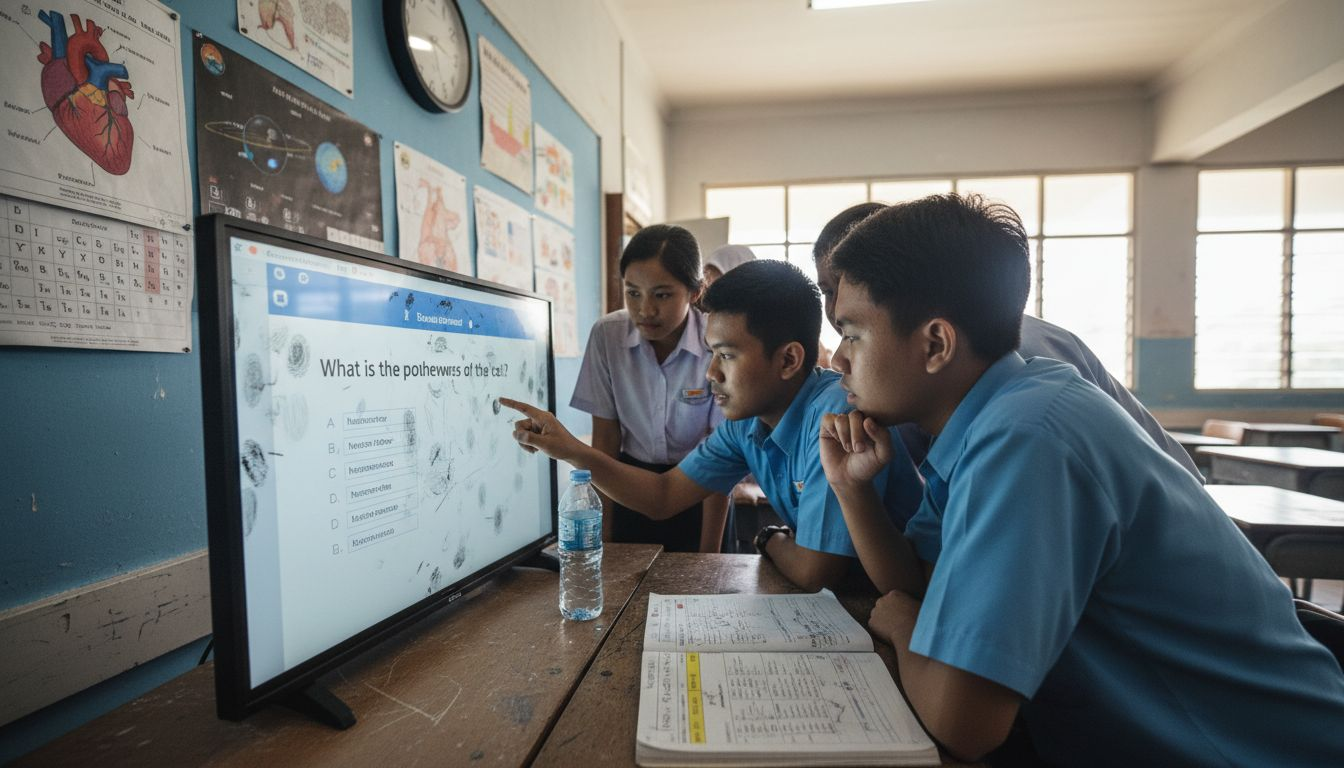
Smart educational technologies leverage interactive displays to create highly personalized learning experiences. Adaptive content delivery systems enable real-time learner modeling, allowing educators to track student progress, identify learning gaps, and dynamically adjust instructional strategies. By integrating recommendation algorithms and AI-powered interfaces, these displays can provide targeted content, interactive assessments, and personalized learning pathways that adapt to each student's unique learning style and pace.
Key benefits of interactive displays in personalized learning include:
- Real-time student performance tracking
- Immediate feedback mechanisms
- Adaptive content difficulty
- Multi-sensory learning experiences
- Individualized learning path recommendations
Pro tip: Select interactive displays with robust analytics capabilities that allow granular tracking of student engagement and learning progress to maximize personalization potential.
Measurable impact on student engagement and results
Research provides compelling evidence of the transformative potential of personalized learning strategies in educational settings. Student achievement studies demonstrate significant improvements in academic performance, particularly in core subjects like mathematics and reading. These gains are most pronounced among students who initially demonstrate lower academic capabilities, suggesting that personalized approaches can effectively address individual learning challenges.
The systematic analysis of personalized learning outcomes reveals multiple dimensions of impact beyond traditional academic metrics. Comprehensive performance reviews highlight substantial increases in student motivation, engagement, and self-directed learning capabilities. By tailoring instructional approaches to individual learning styles, educators can create more responsive and interactive classroom environments that promote deeper understanding and sustained academic growth.
Key measurable impacts of personalized learning include:
- Improved academic performance across diverse student groups
- Enhanced student motivation and classroom engagement
- Increased learning retention and comprehension
- More accurate identification of individual learning needs
- Reduced learning gaps among students
Pro tip: Implement regular assessment cycles to track individual student progress and continuously refine personalized learning strategies based on empirical performance data.
Common challenges and mistakes to avoid
Implementing personalized learning is a complex process fraught with potential pitfalls that can undermine its effectiveness. Technical integration challenges reveal that educators must carefully navigate technological, pedagogical, and ethical considerations to successfully deploy personalized learning strategies. The most critical errors often stem from an over-reliance on technology without sufficient understanding of its pedagogical implications.

AI-supported learning implementation requires a holistic approach that balances technological tools with robust instructional design. Common mistakes include inadequate teacher training, insufficient curriculum adaptation, and overlooking critical aspects such as data privacy and potential algorithmic biases. Successful personalized learning demands a comprehensive strategy that integrates technology, pedagogy, and ethical considerations.
Key challenges to anticipate and address:
- Insufficient teacher professional development
- Technological infrastructure limitations
- Data privacy and ethical concerns
- Overemphasis on technology versus pedagogical strategy
- Lack of comprehensive implementation planning
- Potential algorithmic bias in learning recommendations
- Uneven technological access among students
Pro tip: Develop a phased implementation approach that prioritizes teacher training, gradual technological integration, and continuous assessment of learning outcomes.
The following table highlights key challenges in personalized learning and strategies to address them:
| Challenge | Impact on Implementation | Recommended Solution |
|---|---|---|
| Limited teacher training | Inconsistent adoption | Ongoing professional development |
| Data privacy concerns | Risks student information | Strong data governance policies |
| Overemphasis on technology | Ignores pedagogy | Blend tech with sound instructional design |
| Infrastructure gaps | Unequal student access | Invest in equitable technology resources |
Elevate Personalized Learning in Malaysian Classrooms with Advanced Projection Solutions
The article highlights key challenges in personalized learning such as creating flexible learning environments that adapt to each student's needs while enhancing engagement and interaction. Malaysian educators seeking to implement adaptive instructional strategies and multi-sensory learning experiences will benefit greatly from leveraging the right display technology. At ProjectorDisplay.com, we understand that clear, dynamic visual tools like interactive displays and high-performance projectors are essential for real-time feedback, individualized content delivery, and student-driven progress tracking.
Transform your classroom today with projectors designed to boost student motivation and comprehension. Our wide selection includes laser, short-throw, and smart projectors perfect for modern Malaysian classrooms aiming to support student-centered instructional approaches and adaptive content delivery. Visit ProjectorDisplay.com to explore our educational display solutions and ensure your teaching methods keep pace with personalized learning demands. Act now to provide your students with the engaging educational experiences they deserve.
Frequently Asked Questions
What are the core benefits of personalized learning in classrooms?
Personalized learning provides customized educational experiences that cater to individual student needs, improving engagement, motivation, and academic performance while addressing diverse learning styles.
How does technology enhance personalized learning?
Technology enhances personalized learning by offering adaptive learning platforms that track student progress, provide real-time feedback, and tailor educational content to match each student's learning pace and preferences.
What are some common misconceptions about personalized learning?
Common misconceptions include the belief that personalized learning is solely about technology or automated platforms, rather than recognizing it as a student-centered approach focused on understanding individual learning needs and adapting instructional methods accordingly.
What challenges do educators face when implementing personalized learning?
Educators face several challenges, including insufficient teacher training, technological infrastructure limitations, and data privacy concerns, all of which can impact the successful deployment of personalized learning strategies.