
More than 80 percent of American households have at least one widescreen device, yet confusion about aspect ratio remains widespread. Whether you are setting up a home theater or preparing for a major presentation, understanding aspect ratio can mean the difference between crisp visuals and frustrating distortion. This guide unpacks the truth behind common myths and clarifies how different aspect ratios shape your viewing experience.
Table of Contents
- Aspect Ratio Defined And Common Misconceptions
- Major Aspect Ratio Types For Projection Displays
- How Aspect Ratio Influences Image Quality
- Choosing The Right Ratio For Your Space And Use
- Common Pitfalls When Selecting Aspect Ratios
Key Takeaways
| Point | Details |
|---|---|
| Understanding Aspect Ratios | Aspect ratios significantly impact the visual quality of images and videos, influencing how they are displayed on various screens. |
| Selecting the Right Format | Choosing the correct aspect ratio is essential based on specific use cases, such as home theaters or professional presentations, to optimize viewer experience. |
| Common Aspect Ratios | The four main aspect ratios are 4:3, 16:9, 16:10, and 21:9, each serving different content and display needs. |
| Avoiding Selection Pitfalls | Users must be cautious of technical misalignments and visual distortions that can occur from improper aspect ratio selection. |
Aspect Ratio Defined and Common Misconceptions
An aspect ratio describes the proportional relationship between a display's width and height, serving as a critical factor in visual presentation and image quality. Understanding aspect ratios helps users select the right display configuration for their specific needs, whether for home entertainment, professional presentations, or multimedia content.
Typically expressed as two numbers separated by a colon (such as 16:9 or 4:3), aspect ratios determine how images and video will appear on different screens. Common misconceptions often arise from misunderstanding these numerical relationships. For instance, many people believe that any screen can display any content perfectly, but in reality, different aspect ratios can result in stretched, compressed, or letterboxed images when the source material does not match the display's native proportions.
The most prevalent aspect ratios include:
- 16:9: Standard widescreen format for modern televisions and computer monitors
- 4:3: Traditional format used in older televisions and some professional displays
- 16:10: Slightly taller widescreen ratio popular in computer monitors
- 21:9: Ultrawide format used for immersive gaming and cinematic experiences
Choosing the right aspect ratio depends on your specific use case. Projector users in Malaysia, for example, might select different ratios for home theater setups versus business presentations. Professional AV integrators understand that matching content source to display ratio ensures optimal visual clarity and prevents distortion.
Major Aspect Ratio Types for Projection Displays
Projection formats are fundamentally defined by their aspect ratios, which represent the proportional relationship between an image's width and height. Projection formats have distinct aspect ratios that determine how visual content appears on screens, making this understanding crucial for selecting appropriate display technologies.
The most significant aspect ratio types for projection displays include:
- 4:3 Aspect Ratio
- Traditional standard for older computer monitors and presentations
- Commonly used in professional and educational settings
- Square-like format with nearly equal width and height proportions
- 16:9 Aspect Ratio
- Modern widescreen standard for High Definition Television (HDTV)
- Preferred for contemporary multimedia and cinema-style presentations
- Provides a more cinematic viewing experience
- 16:10 Aspect Ratio
- Slightly taller widescreen format
- Popular in computer monitors and professional workspace displays
- Offers additional vertical screen real estate compared to 16:9
- 21:9 Ultrawide Aspect Ratio
- Emerging format for immersive gaming and professional design work
- Provides expansive horizontal viewing experience
- Ideal for multi-window workflows and cinematic content
Choosing the right aspect ratio depends on specific use cases. Projection screen configurations can dramatically impact visual clarity, making it essential for professionals and enthusiasts to understand these fundamental display characteristics. Whether you're setting up a home theater, classroom, or business presentation space, matching your content's native format to the appropriate aspect ratio ensures optimal image quality and viewer engagement.
How Aspect Ratio Influences Image Quality
Aspect ratio plays a critical role in determining the visual perception and quality of projected images. Cognitive research suggests that aspect ratios can fundamentally alter how viewers interpret visual information, influencing everything from data comprehension to aesthetic appreciation of multimedia content.
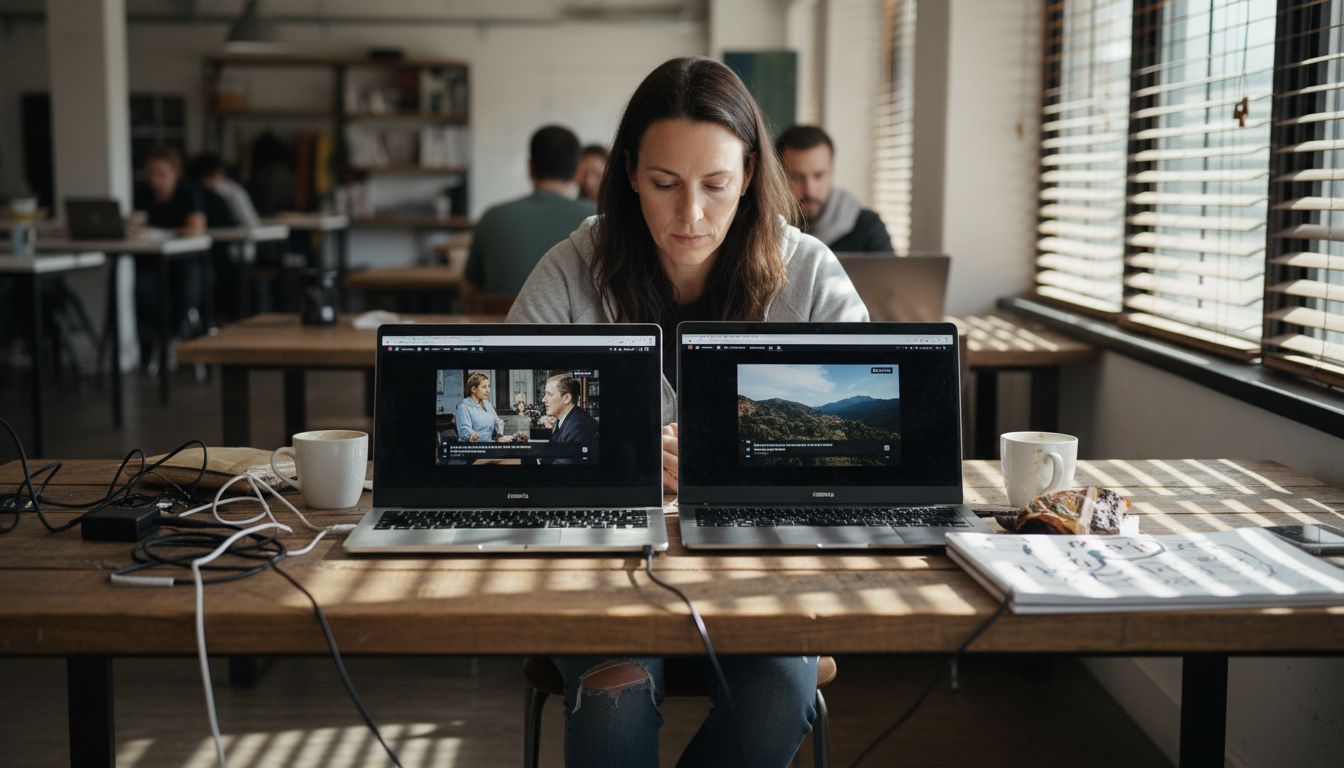
The technical implications of aspect ratio extend beyond simple visual dimensions. Anamorphic widescreen techniques demonstrate how image compression and scaling can preserve visual integrity while adapting content across different display formats. This means that professional projector users must understand how different aspect ratios impact image clarity, color representation, and overall viewing experience.
Key factors that demonstrate aspect ratio's impact on image quality include:
- Resolution Preservation: Different aspect ratios can affect pixel density and sharpness
- Content Scaling: Mismatched ratios lead to image stretching or letterboxing
- Perceived Detail: Wider or narrower formats change how visual information is perceived
- Viewing Angle Dynamics: Aspect ratio influences how images appear from different perspectives
Practical Implications for Projection Displays:
- Home Theater: 16:9 ratio provides cinematic experience
- Professional Presentations: 4:3 offers balanced information display
- Design Work: 21:9 ultrawide enables comprehensive visual workflows
- Educational Settings: Matching content ratio prevents visual distortion
Understanding these nuanced interactions between aspect ratio and image quality allows projection screen selection that maximizes visual performance across diverse multimedia applications. Projector users in Malaysia and globally can optimize their display experiences by carefully considering these technical considerations.
Choosing the Right Ratio for Your Space and Use
Selecting the appropriate aspect ratio requires careful consideration of your specific environmental and content requirements. Most modern projectors have fixed aspect ratios, making it crucial to choose a configuration that aligns perfectly with your intended use case and available space.
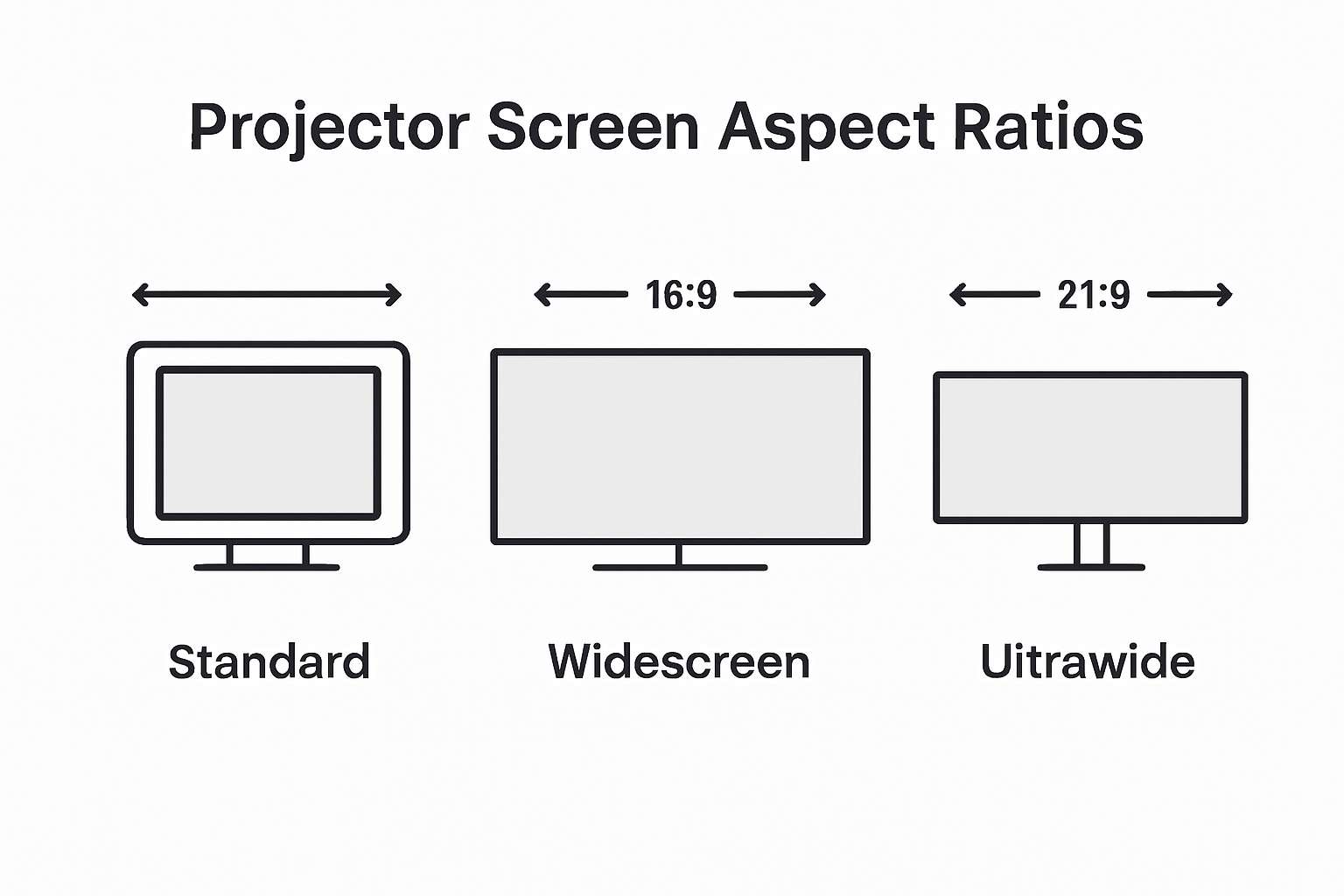
Different environments demand unique aspect ratio strategies:
Home Entertainment Spaces:
- 16:9 Ratio: Ideal for modern televisions and movie content
- Provides cinematic widescreen experience
- Best for living rooms and dedicated home theaters
Professional Presentation Environments:
- 4:3 Ratio: Traditional format for business presentations
- Suitable for document and slide-based content
- Works well in conference rooms and corporate settings
Educational and Training Rooms:
- 16:10 Ratio: Offers additional vertical screen space
- Excellent for displaying documents and educational materials
- Provides more real estate for complex visual information
Key factors to evaluate when choosing your aspect ratio include:
- Room dimensions
- Primary content type
- Typical viewing distance
- Projection screen specifications
Projection screen selection ultimately determines how effectively your chosen aspect ratio translates into visual performance. Projector users in Malaysia should carefully assess their specific needs, understanding that the right ratio can significantly enhance viewing experience across various professional and personal applications.
Common Pitfalls When Selecting Aspect Ratios
Aspect ratio selection can be a minefield of technical complications that often catch projector users off guard. Selecting the wrong configuration can dramatically undermine your visual experience, leading to distorted images, wasted screen space, and frustrated viewers.
The most frequent mistakes users make when choosing aspect ratios include:
Technical Misalignments:
- Ignoring content source resolution
- Failing to match projector native resolution
- Overlooking screen dimension constraints
- Neglecting viewing angle considerations
Visual Distortion Risks:
- Stretching: Forcing content into incompatible ratios
- Letterboxing: Unnecessarily losing screen real estate
- Cropping: Accidentally cutting off critical image information
- Resolution Degradation: Compromising image sharpness
Strategic Recommendation Patterns:
- Prioritize content type over aesthetic preferences
- Understand your projection environment's specific requirements
- Test multiple configurations before permanent installation
- Consider future content versatility
Projection screen selection becomes exponentially more critical when navigating these potential pitfalls. Projector users in Malaysia must approach aspect ratio decisions with technical precision, recognizing that seemingly minor configuration choices can profoundly impact overall visual performance and audience engagement.
Optimize Your Projection Experience with the Perfect Aspect Ratio
Understanding how aspect ratio impacts display clarity is essential for anyone setting up a projection system. This article highlights challenges like image distortion, letterboxing, and resolution degradation that can occur when the wrong aspect ratio is chosen. If you want crisp visuals and the best possible clarity for home theaters, business presentations, or educational use, selecting the right projector and screen is critical.
Discover a wide range of projectors and screens at ProjectorDisplay.com designed to meet various aspect ratio needs. Whether you need a 16:9 setup for cinematic viewing or a professional 4:3 format for presentations, our expert solutions help you avoid common pitfalls and ensure your content shines. Act now to transform your viewing experience with precision-matched devices and fast shipping right here in Malaysia. Visit Explore Projection Solutions and learn how our selection can enhance your projection clarity today.
Frequently Asked Questions
What is an aspect ratio?
An aspect ratio is the proportional relationship between a display's width and height, typically expressed as two numbers separated by a colon (e.g., 16:9). It affects how images and videos appear on various screens.
Why is choosing the correct aspect ratio important for display clarity?
Selecting the correct aspect ratio is crucial because mismatched ratios can lead to stretched, compressed, or letterboxed images, impacting visual clarity and overall viewing experience.
What common aspect ratios are used in projection displays?
The most common aspect ratios for projection displays include 4:3, 16:9, 16:10, and 21:9. Each has its specific applications, such as standard presentations or cinematic experiences.
How does aspect ratio influence the quality of projected images?
Aspect ratio affects image quality by influencing resolution preservation, content scaling, perceived detail, and viewing angle dynamics. Proper alignment between content source and display aspect ratio maximizes visual performance.
Recommended
- Projector Screen Size Guide 2025: Perfect Fit for Malaysian Needs – Projector Display
- What Is Throw Ratio? Complete Guide for Projectors – Projector Display
- Understanding Resolution in Projectors: A Clear Guide – Projector Display
- Native Resolution Explained: Key Facts for Projector Buyers – Projector Display