

Finding the best video projector can be surprisingly tricky when more than 60 percent of Malaysian home theater fans say visual immersion matters as much as sound quality. American technology brands and international options flood the market, making quality and price key considerations. With smart features and connectivity demands rising, this guide helps you choose a projector suited for seamless integration, vivid movie nights, and future-ready home systems without emptying your wallet.
Table of Contents
- 1. Assess Room Size For Optimal Projector Selection
- 2. Understand Lumens For Bright, Clear Images
- 3. Compare Resolution Options For Movie Quality
- 4. Evaluate Smart Connectivity Features
- 5. Check Compatibility With Home Theater Devices
- 6. Prioritize Energy Efficiency And Longevity
- 7. Read User Reviews And Compare Warranties
Quick Summary
| Takeaway | Explanation |
|---|---|
| 1. Assess Room Size First | Measure your room's dimensions to choose the right projector type for optimal viewing quality. |
| 2. Prioritize Lumens for Brightness | Higher lumens ensure clear images in various lighting; choose based on your room's specific light conditions. |
| 3. Choose Resolution Wisely | Select a projector resolution that matches your viewing needs for movies, gaming, and overall experience. |
| 4. Evaluate Smart Features | Look for projectors with smart connectivity options like WiFi and Bluetooth for seamless device integration. |
| 5. Check Compatibility with Devices | Ensure the projector is compatible with your current home theater devices to maintain a smooth multimedia experience. |
1. Assess Room Size for Optimal Projector Selection
Choosing the right projector starts with understanding your room's spatial dynamics and how those dimensions impact viewing quality. Room size isn't just about square footage it's about creating an immersive visual experience that transforms your space into a personal theater or professional presentation zone.
Understanding the projector throw ratio) is critical for selecting the perfect projector. This measurement determines how far your projector needs to be from the screen to create a specific image size. Different rooms require different throw ratios: compact spaces might demand short throw projectors while expansive areas benefit from standard throw models.
When assessing room size for projector selection, consider these key factors:
Measurement Essentials:
- Calculate the distance between potential projector placement and screen location
- Measure total room width and depth
- Check ceiling height for optimal mounting options
- Evaluate ambient light conditions that might affect projection quality
Professional installers recommend mapping out your space beforehand. Take precise measurements and consider potential obstructions like furniture or architectural elements that could interfere with projection angles. Some projectors offer zoom capabilities that provide flexibility in tighter spaces.
Pro tip: Always leave 10% extra space beyond your calculated projector placement requirements to accommodate minor adjustments and prevent unexpected installation challenges.
2. Understand Lumens for Bright, Clear Images
When it comes to projector performance, lumens are your secret weapon for creating stunning visual displays. Think of lumens as the brightness translator that determines how clearly your images will appear across different lighting environments.
The science behind lumens is straightforward: ANSI lumens represent standardized brightness measurements that help you compare projector capabilities accurately. More lumens mean brighter projected images capable of cutting through ambient light and maintaining image quality.
Lumen Requirements by Space:
- Home theater (dark room): 1500 2500 lumens
- Living room (moderate light): 2500 3500 lumens
- Conference room (bright environment): 3500 5000 lumens
- Outdoor presentations: 5000+ lumens
Understanding lumen specifications empowers you to select a projector perfectly matched to your specific environment. A low lumen projector in a bright room will produce washed out images while an overpowered projector in a dark space might strain viewers eyes.
Consider your room's lighting conditions carefully. Rooms with large windows or significant ambient light require higher lumen counts to ensure image clarity. Conversely, dedicated home theaters with controlled lighting can perform beautifully with lower lumen projectors.
Pro tip: Always add 500 lumens to your initial brightness estimate as a buffer for unexpected lighting variations and future flexibility.
3. Compare Resolution Options for Movie Quality
Choosing the right projector resolution can transform your movie viewing experience from ordinary to extraordinary. Understanding display resolution standards is crucial for creating a cinematic experience that brings every detail to life.
Resolution Hierarchy:
- 720p: Basic high definition
- 1080p: Full high definition (standard for most movies)
- 4K UHD: Ultra high definition with maximum clarity
Resolution determines the number of pixels that compose your projected image. More pixels mean sharper images clearer details and a more immersive viewing experience. Think of resolution like a digital canvas the more pixels you have the more intricate and lifelike your picture becomes.
Key Resolution Considerations:
- Home theater rooms benefit most from 1080p or 4K projectors
- Gaming and sports enthusiasts should prioritize higher resolutions
- Budget plays a significant role in resolution selection
- Content availability matters when choosing resolution
While 4K projectors offer stunning image quality they come at a premium price. For most home viewers 1080p provides an excellent balance between image quality and affordability. Consider your primary viewing content movies require different resolution needs compared to gaming or sports broadcasts.
Aspect ratios also play a critical role. Most modern content uses 16:9 widescreen format ensuring your projector matches this standard prevents image distortion and provides the most authentic viewing experience.
Pro tip: Always test projector resolution with your favorite movie or video content to ensure the visual quality meets your personal standards before making a final purchase.
4. Evaluate Smart Connectivity Features
Smart connectivity has revolutionized projector functionality transforming them from simple display devices into intelligent multimedia hubs. Wireless screen mirroring technologies now enable seamless content sharing across multiple devices with unprecedented ease.
Smart Connectivity Features to Prioritize:
- WiFi direct connection
- Bluetooth compatibility
- Mobile device screen mirroring
- Cloud service integration
- Voice assistant support
- Network streaming capabilities
Modern smart projectors go beyond traditional display limitations. They can connect directly to smartphones tablets and laptops eliminating complicated cable setups. Imagine presenting a business report wirelessly or streaming your favorite movie from your phone without any physical connections.
Connectivity Ecosystem Considerations:
- Check compatibility with your existing devices
- Verify wireless protocol standards
- Understand bandwidth requirements
- Evaluate security encryption features
- Consider future technology integration potential
The latest smart projectors leverage advanced technologies that transform your viewing experience. AI enhanced connectivity allows automatic adjustments network based updates and intelligent content recognition making your projector a dynamic entertainment and productivity tool.
When evaluating smart features look beyond basic wireless capabilities. Consider how the projector integrates with your existing technology ecosystem ensuring smooth seamless performance across different platforms and devices.
Pro tip: Test the smart connectivity features in person before purchasing to ensure they meet your specific device compatibility and performance expectations.
5. Check Compatibility With Home Theater Devices
Creating a seamless home theater experience requires more than just selecting a great projector you need devices that communicate effortlessly. Home theater device compatibility is the foundation of an immersive multimedia setup.
Key Compatibility Checkpoints:
- HDMI port versions
- Audio output formats
- Resolution matching
- Wireless connection standards
- Signal transmission capabilities
- Power requirements
Modern home theaters integrate multiple devices streaming boxes gaming consoles sound systems and smart home technology. Your projector must act as a central hub capable of receiving signals from various sources without complicated adapters or signal converters.
Device Compatibility Strategies:
- Verify input port types on your projector
- Check supported resolution ranges
- Confirm wireless protocol standards
- Examine audio return channel capabilities
- Review manufacturer recommended device lists
- Consider future upgrade potential
Each device in your home theater ecosystem needs to communicate smoothly. A projector with multiple connection options HDMI ARC USB and wireless protocols provides maximum flexibility. Some advanced projectors even support direct smartphone mirroring reducing setup complexity.
Consider your current devices and potential future additions. A versatile projector with comprehensive connectivity ensures your home theater setup remains adaptable and future proof.
Pro tip: Take photos of your current device ports before shopping to ensure precise compatibility comparisons with potential projector models.
6. Prioritize Energy Efficiency and Longevity
Saving energy and extending your projector's lifespan are not just environmentally responsible choices but smart financial strategies. Energy efficiency in projectors represents a critical consideration for modern technology consumers.
Technology Evolution in Projector Efficiency:
- LED light sources
- Laser projection technology
- Automated power management
- Low standby consumption modes
- Advanced cooling systems
- Smart thermal regulation
Modern projectors have transformed from energy hungry devices to sophisticated systems that optimize power consumption. LED and laser technologies consume significantly less electricity compared to traditional lamp based projectors while delivering superior performance and dramatically longer operational lifespans.
Efficiency Measurement Strategies:
- Check lumens per watt rating
- Review manufacturer energy certifications
- Compare standby power consumption
- Evaluate projected lamp or light source lifespan
- Consider total cost of ownership
- Assess maintenance requirements
Investing in an energy efficient projector means lower electricity bills reduced carbon footprint and fewer replacement costs. Some advanced models can operate for thousands of hours with minimal performance degradation potentially saving hundreds of dollars over the device's lifetime.
Consider projectors with automatic power down features smart sensors and efficient cooling mechanisms. These technologies not only reduce energy consumption but also prevent overheating extending the overall device longevity.
Pro tip: Always calculate the total cost of ownership by factoring in electricity consumption maintenance expenses and projected lifespan not just the initial purchase price.
7. Read User Reviews and Compare Warranties
Navigating the world of projector purchases requires more than technical specifications you need real world insights from actual users. Evaluating online reviews is a critical step in making an informed buying decision.
Review Analysis Strategies:
- Check verified purchase indicators
- Look for detailed specific feedback
- Examine reviews across multiple platforms
- Compare experiences from different user types
- Watch for consistent praise or complaint patterns
- Consider professional and user generated reviews
User reviews reveal practical details manufacturers might not highlight. A review mentioning unexpected fan noise lamp performance or unexpected brightness variations can save you from potential disappointment. Professional reviews provide technical insights while user experiences offer real world application perspectives.
Warranty Comparison Checklist:
- Total coverage duration
- Lamp replacement terms
- Parts and labor inclusion
- Technical support availability
- International coverage options
- Repair or replacement policy
A comprehensive warranty acts as insurance for your investment. Some manufacturers offer three year coverage while others provide limited protection. Extended warranties might seem expensive but can save significant money if technical issues arise.
Dont just skim reviews look for patterns. If multiple users report similar issues with brightness color accuracy or durability those are legitimate concerns. Similarly pay attention to how manufacturers respond to negative feedback this indicates their customer service approach.
Pro tip: Cross reference reviews from at least three different platforms and prioritize those with detailed specific feedback about performance and long term reliability.
Below is a comprehensive table summarizing the article's main strategies and considerations for selecting a projector tailored to various needs.
Find the Perfect Projector Setup for Your Space Today
Are you ready to transform your room into a stunning visual experience but feel overwhelmed by projector options like throw ratios, lumen brightness, and resolution standards? At ProjectorDisplay.com we understand these challenges and help you match your space needs and lighting conditions with high quality projectors and essential accessories. Whether you want to optimize image clarity with matching projector screens or ensure flexible mobility with our durable projector bags and cases we have everything to simplify your buying journey.
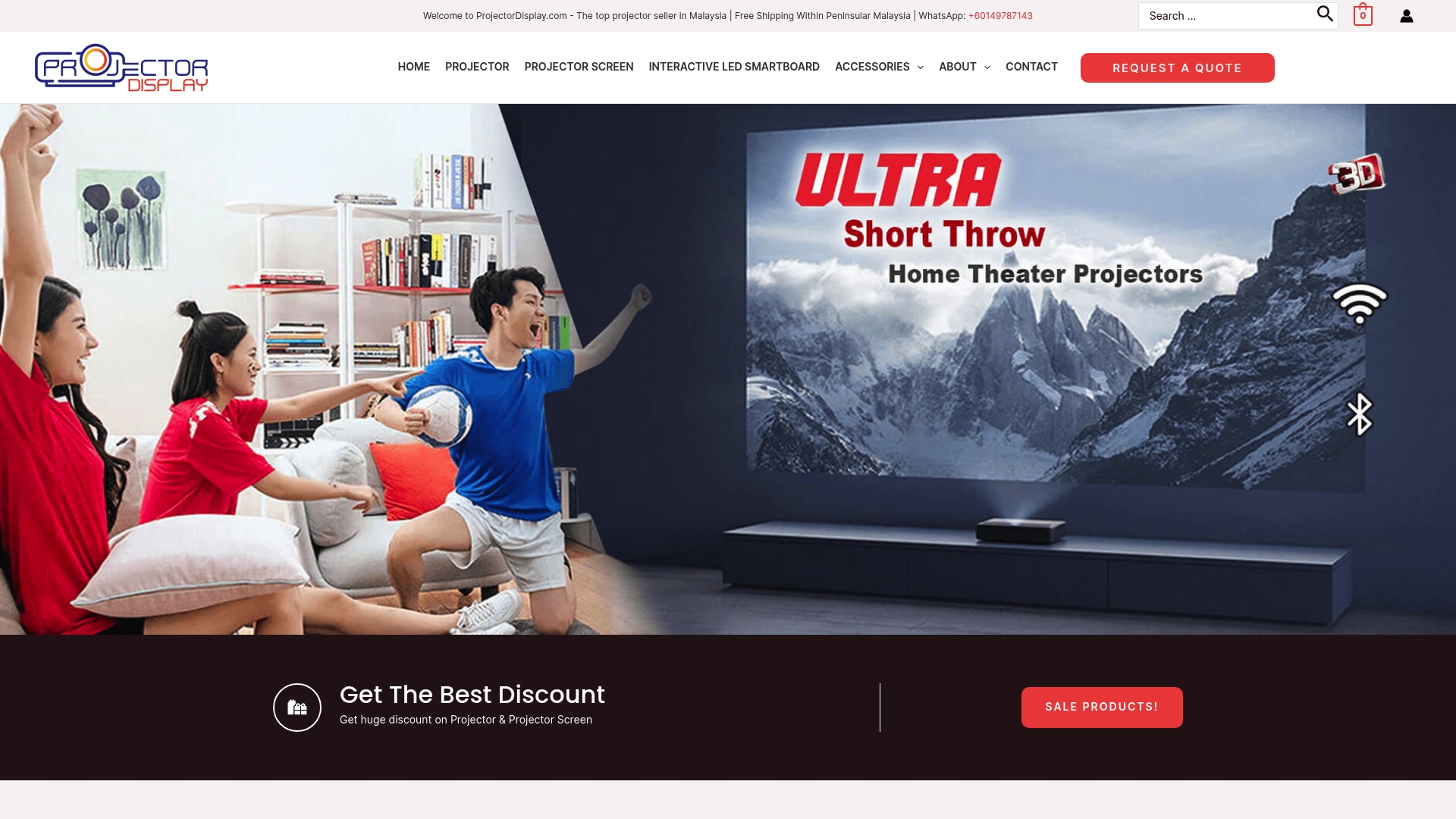
Take the guesswork out of your video projector purchase by trusting ProjectorDisplay.com for reliable expert solutions backed by user reviews and dedicated support. Shop now and enjoy secure online checkout and fast delivery within Peninsular Malaysia. Visit ProjectorDisplay.com and start setting up your perfect home theater or professional presentation space with confidence today.
Frequently Asked Questions
How do I assess my room size for optimal projector selection?
Begin by measuring the distance between where you plan to place the projector and the screen. Consider the total room width, depth, and ceiling height, ensuring the projector's throw ratio fits your space to enhance your viewing experience.
What should I know about lumens when selecting a projector?
Lumens indicate the brightness of the projector, crucial for clear images. Determine your room's lighting conditions; for instance, a conference room often requires 3500 to 5000 lumens to maintain image quality in bright settings.
What resolution should I choose for watching movies at home?
Select between 1080p and 4K resolution based on your viewing preferences and budget. Test your projector with your favorite films to ensure it delivers the visual quality you desire before finalizing your purchase.
How can I evaluate smart connectivity features in projectors?
Look for projectors that support WiFi, Bluetooth, and mobile device mirroring to simplify content sharing. Ensure compatibility with your existing devices, as this will enhance your overall home theater experience.
What factors should I check to ensure compatibility with my home theater devices?
Verify the types of input ports on your projector, such as HDMI and audio outputs, to ensure seamless integration. Check supported resolution ranges and wireless standards for optimal communication between devices.
Why is energy efficiency important when buying a projector?
An energy-efficient projector reduces electricity costs and extends the lifespan of the device. Look for projectors with LED or laser light sources, which can save you money on energy bills over time.
Recommended
- 7 Best Home Theater Projector Tips for Ultimate Viewing – Projector Display
- How to Adjust Focus on Your Projector for Clear Images – Projector Display
- Home Theater Projector Setup: Achieve the Ultimate Viewing Experience – Projector Display
- Cable Management Ideas for Projector Setups Made Simple – Projector Display