

Projectors have quietly become key players in how people create stunning visuals at home. Here is something that might surprise you. Some mini projectors now weigh less than 2 pounds and can throw a 100-inch display from just inches away. Most imagine bulky setups and complicated installations but the newest models can transform even the smallest apartments into movie theaters or workspaces with just a tap. Ready to see why these clever devices are changing urban living for good?
Table of Contents
- What Are Projectors And How Do They Work?
- Why Projectors Matter For Apartment Living
- Key Features To Consider In Apartment Projectors
- Types Of Projectors Suited For Limited Spaces
- Real-World Applications Of Projectors In Homes
Quick Summary
| Takeaway | Explanation |
|---|---|
| Choose a projector for bright spaces | Projectors with 3500-5000 lumens are ideal for well-lit areas for clear, vibrant images. |
| Prioritize smart connectivity features | Look for projectors with Wi-Fi, Bluetooth, and built-in streaming capabilities to enhance usage. |
| Opt for portable or short-throw models | These designs maximize space efficiency, allowing large images in compact settings. |
| Understand lumen needs based on lighting | Different lighting conditions require specific lumens, ensuring optimal viewing experiences in various environments. |
| Transform spaces for multifunctionality | Projectors provide entertainment, presentations, and gaming, making them versatile tools for urban living. |
What Are Projectors and How Do They Work?
Projectors are sophisticated optical devices that transform digital images or video content from computers, smartphones, or media players into large projected displays on walls, screens, or other surfaces. At their core, projectors function by using advanced light manipulation techniques to enlarge and broadcast visual information in high resolution.
The Basic Mechanism of Image Projection
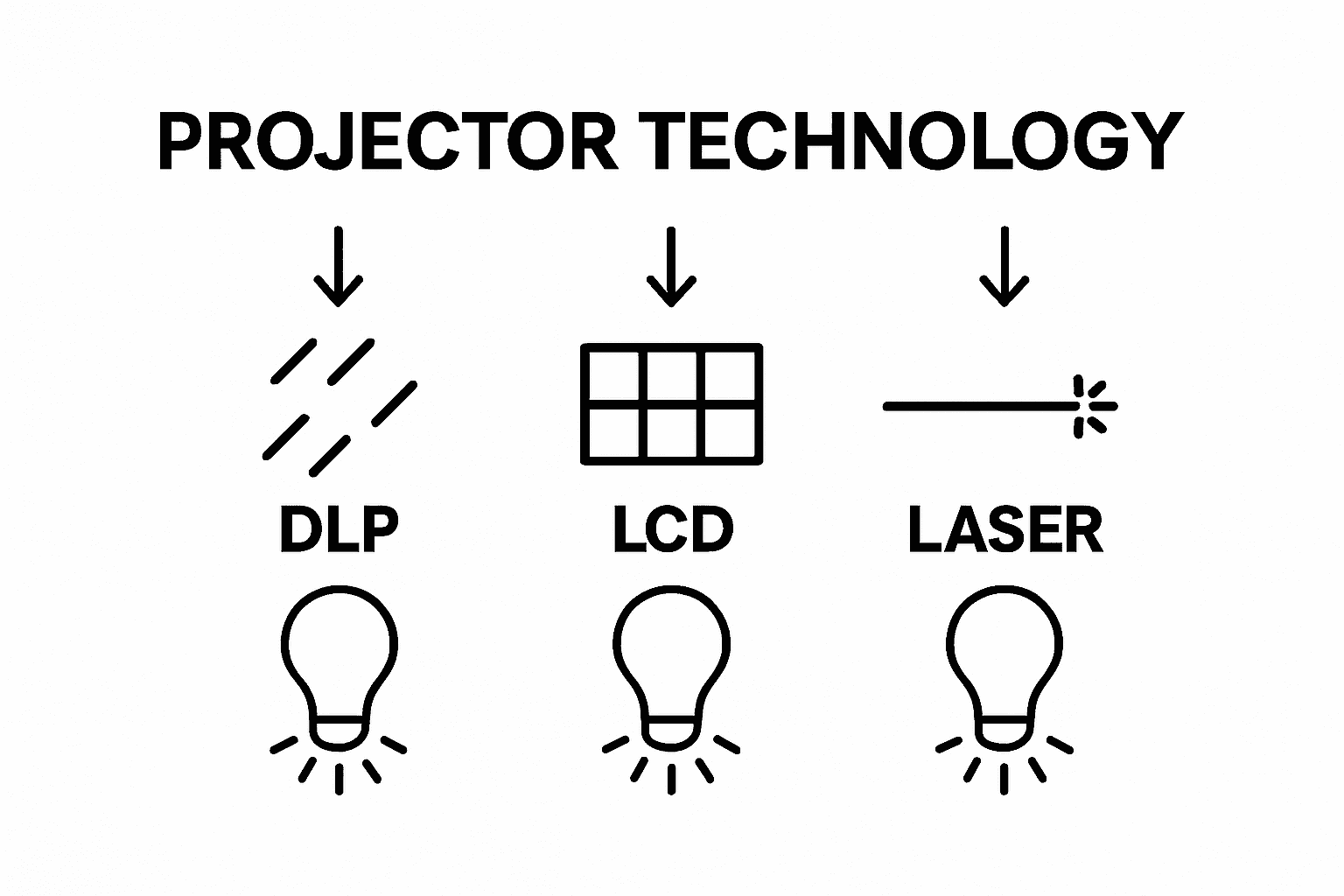
The fundamental working principle of projectors involves several critical components working in synchronized harmony. These devices typically consist of a powerful light source, complex optical systems, and color processing mechanisms. Learn more about the intricate technology behind projectors reveals that most modern projectors use one of three primary technologies:
- Digital Light Processing (DLP): Uses microscopic mirrors to reflect light and create images
- Liquid Crystal Display (LCD): Employs liquid crystal panels to filter and project light
- Laser Projection: Utilizes laser light sources for enhanced brightness and color accuracy
Understanding Projection Technologies
Projectors convert electrical signals into visual displays through an intricate process of light manipulation. When a video signal enters the projector, it passes through specialized lens systems that magnify and focus the image. The light source illuminates the image, which is then precisely directed through color wheels or prisms to create a vibrant, detailed projection.
For apartment dwellers, modern projectors offer remarkable versatility. They can transform small living spaces into immersive home theaters, provide flexible presentation solutions for remote workers, and enable large screen entertainment without permanently occupying valuable room space. The technology continues to evolve, with newer models offering increasingly compact designs, higher resolution, and smart connectivity features that make them perfect for modern urban living.
To help readers quickly compare the main types of projection technology described in the article, the table below outlines the essential differences between DLP, LCD, and Laser projectors.
| Technology | Key Mechanism | Typical Benefits | Common Use Cases |
|---|---|---|---|
| DLP (Digital Light Processing) | Uses microscopic mirrors to reflect light and create images | Sharp images, good contrast, compact size | Home theater, portable models |
| LCD (Liquid Crystal Display) | Employs liquid crystal panels to filter and project light | Accurate color, lower cost, less "rainbow effect" | Home use, presentations, education |
| Laser Projection | Utilizes laser light sources for projection | Enhanced brightness, vibrant colors, long lifespan | High-end home theater, professional use |
Why Projectors Matter for Apartment Living
Projectors have emerged as transformative solutions for apartment dwellers seeking versatile entertainment and professional spaces without compromising limited square footage. Unlike traditional televisions, projectors offer unprecedented flexibility in creating dynamic visual experiences within compact urban living environments.
Space Optimization and Multifunctionality
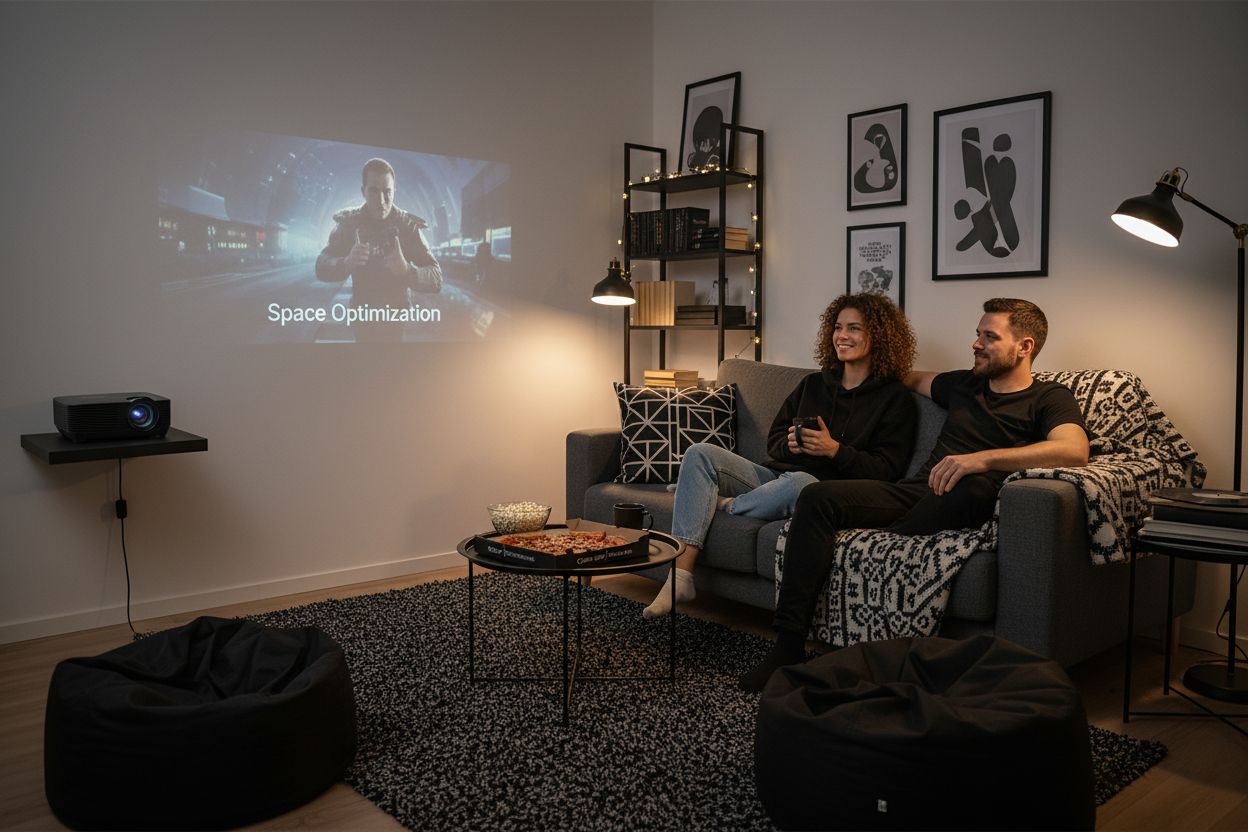
In small apartments, every square inch counts. Explore home theater projection strategies reveals that projectors provide unique advantages for space-constrained residents. These devices can dramatically transform living areas by:
- Eliminating the need for bulky television sets
- Creating temporary large screen experiences
- Allowing walls to serve multiple purposes beyond display
- Providing portable entertainment solutions
Modern projectors designed for apartments typically range between 500 to 2500 lumens, making them suitable for various lighting conditions. This versatility means you can enjoy crisp, clear images whether in a dimly lit bedroom or a brightly lit living area.
Economic and Lifestyle Benefits
Beyond spatial advantages, projectors offer significant economic benefits for apartment residents. Compared to large screen televisions, high-quality projectors often cost less while providing substantially larger display areas. They represent a smart investment for individuals who value immersive experiences without permanent installations.
For urban professionals and students, projectors serve multiple roles beyond entertainment. They can transform living rooms into impromptu presentation spaces, enable collaborative work environments, and provide expansive gaming or movie experiences without permanent infrastructure commitments. The ability to quickly set up and pack away a projection system makes them ideal for dynamic, flexible living spaces characteristic of modern apartment living.
Key Features to Consider in Apartment Projectors
Selecting the right projector for apartment living requires careful consideration of multiple technical and practical aspects. Not all projectors are created equal, and understanding the critical features can help apartment dwellers make informed purchasing decisions that align with their spatial and entertainment needs.
Brightness and Lumens Performance
Lumens represent the primary measure of a projector's light output, directly impacting image clarity and visibility. Learn more about home theater projection tips suggests that apartment residents should prioritize projectors with specific lumen ranges depending on their environment:
- Low Light Spaces: 1500-2000 lumens recommended
- Moderate Ambient Light: 2500-3500 lumens ideal
- Bright Living Areas: 3500-5000 lumens necessary
The right brightness ensures sharp, vibrant images regardless of your apartment's lighting conditions, preventing washed-out or dim projections that diminish viewing experiences.
The table below summarizes the recommended projector brightness ranges (in lumens) for various apartment lighting conditions, helping you select the best option for your space.
| Lighting Condition | Recommended Lumens Range | Viewing Environment Example |
|---|---|---|
| Low Light Spaces | 1500-2000 | Dark bedrooms, blackout curtains |
| Moderate Ambient Light | 2500-3500 | Living rooms with some windows |
| Bright Living Areas | 3500-5000 | Sunlit rooms, daytime viewing |
Connectivity and Smart Features
Modern apartment projectors must offer comprehensive connectivity options to integrate seamlessly with various digital devices. Essential connectivity features include HDMI ports, wireless screen mirroring, built-in streaming capabilities, and compatibility with smartphones, laptops, and gaming consoles.
Smart projectors take convenience a step further by incorporating Wi-Fi, Bluetooth, and integrated operating systems like Android TV. These advanced features transform projectors from mere display devices into comprehensive entertainment hubs suitable for compact living spaces. The ability to stream directly, conduct video calls, or access content without additional hardware makes these projectors invaluable for urban residents seeking versatile technological solutions.
Types of Projectors Suited for Limited Spaces
For apartment dwellers, selecting the right projector involves understanding specialized designs that maximize visual performance while minimizing physical footprint. The market offers several projector categories uniquely tailored to compact living environments, each with distinct advantages for urban residents seeking immersive visual experiences.
Portable and Mini Projectors
Explore compact projection solutions reveals that mini projectors represent the pinnacle of space-efficient technology. Portable projectors typically weigh less than 2 pounds and offer remarkable versatility for apartment living:
- Weighing between 0.5 to 2 pounds
- Supporting wireless connectivity
- Capable of projecting 30-120 inch displays
- Battery-powered options available
- Easy storage in drawers or small shelves
These compact devices enable residents to transform any wall into a temporary entertainment or presentation space without permanent installations. Their lightweight design means they can be quickly moved between rooms or packed for travel, making them ideal for flexible living arrangements.
Short-Throw and Ultra-Short-Throw Projectors
Short-throw projectors represent another innovative solution for apartment spaces. Unlike traditional projectors requiring significant distance from the screen, these models can generate large images from minimal throw distances. Ultra-short-throw projectors can create 100-inch displays from just inches away from the wall, making them perfect for limited spaces where traditional projection setups are impractical.
By eliminating the need for extensive room depth, these projectors solve a critical challenge for apartment residents.
They provide expansive visual experiences without demanding extensive spatial reconfiguration, effectively turning compact living areas into dynamic multimedia environments.
Real-World Applications of Projectors in Homes
Projectors have transcended their traditional roles, evolving into versatile technological tools that serve multiple functions beyond simple entertainment. Modern home environments increasingly leverage these devices to create dynamic, multifunctional spaces that adapt to changing lifestyle needs.
Entertainment and Media Experiences
Discover smart projection technologies reveal how projectors transform living spaces into immersive multimedia centers. Home entertainment applications extend far beyond traditional movie watching:
- Creating expansive gaming environments
- Hosting virtual watch parties
- Conducting fitness classes
- Displaying digital artwork
- Enabling multiplayer game experiences
The ability to generate large, high-quality displays allows residents to maximize limited apartment spaces, converting walls into dynamic visual canvases that can be instantly transformed based on immediate requirements.
Professional and Educational Adaptations
With the rise of remote work and online learning, projectors have become essential tools for home-based professionals and students. They enable seamless transitions between personal and professional spaces by providing flexible presentation and collaborative capabilities.
Modern smart projectors integrate wireless screen mirroring, built-in video conferencing tools, and interactive features that support diverse communication needs. This versatility means a living room can quickly become a professional meeting space or an interactive learning environment without requiring permanent infrastructure changes.
The convergence of technology and living spaces demonstrates how projectors are no longer luxury items but practical solutions for modern urban dwellers seeking adaptable, multifunctional home environments.
Make Your Apartment Come Alive With a Perfect Projector Solution
Looking to maximize every inch of your apartment while still craving cinematic entertainment or versatile tech for working from home? Many apartment residents struggle with bulky TVs, limited space, and the need for flexible, high-quality displays. The article highlighted how choosing the right projector and screen can make even the smallest area feel expansive and multi-functional. Now, transform your living space with the ideal set-up that matches your needs and blends seamlessly with your lifestyle. Explore our curated collection of apartment-friendly projector screens designed for tiny footprints and big experiences.
Ready to elevate your home? Visit ProjectorDisplay.com for the latest portable, mini, and smart projectors with wireless connectivity. Complete your set-up with travel-friendly projector bags and cases to keep your gear organized or browse our sound systems for full sensory immersion. Shop now and enjoy fast local shipping so you never have to compromise your vision at home.
Frequently Asked Questions
What types of projectors are best suited for small apartments?
Portable and mini projectors, as well as short-throw and ultra-short-throw projectors, are ideal for small apartments. They require minimal space and can create large images without needing significant distance from the screen.
How do I choose the right brightness level for my apartment projector?
Select a projector based on the ambient lighting of your space. For low light areas, 1500-2000 lumens are recommended, while moderate light conditions may require 2500-3500 lumens. In brightly lit spaces, opt for projectors with 3500-5000 lumens for clear visibility.
What features should I look for in an apartment projector?
Key features include sufficient lumen performance for your lighting conditions, diverse connectivity options such as HDMI and wireless capabilities, and smart features like built-in streaming and screen mirroring that enhance versatility in small living spaces.
Can projectors be used for both entertainment and professional purposes in small living areas?
Yes, projectors can serve multiple roles in small living areas, functioning as entertainment hubs for movies and games, as well as providing flexible presentation and collaboration spaces for remote work or education.
Recommended
- Best Projector and Screen for Home Theater in Malaysia 2025 – Projector Display
- 7 Best Home Theater Projector Tips for Ultimate Viewing – Projector Display
- Understanding Projector Purchase Guide for Every User – Projector Display
- Understanding Projector vs TV for Home Entertainment – Projector Display