
Over 40 million american households pay more than they should for home energy each year. High bills often go unnoticed until they start straining your budget. Saving energy is not just about cutting costs, though. It also helps protect the environment and improves comfort in your living space. This guide uncovers practical ways you can use less power, make smarter choices, and create a more efficient american home without feeling overwhelmed.
Table of Contents
- What Saving Energy At Home Means
- Types Of Home Energy Consumption
- Top Strategies For Reducing Energy Use
- Understanding Appliance Efficiency Ratings
- Common Mistakes And How To Avoid Them
Key Takeaways
| Point | Details |
|---|---|
| Energy Efficiency Importance | Enhancing energy efficiency leads to lower utility bills and reduced environmental impact. Homeowners can achieve this through strategic upgrades and smart consumption habits. |
| Major Energy Consumers | Space heating, cooling, water heating, and lighting account for the majority of home energy use. Targeting these areas for improvement is essential. |
| Appliance Selection | Choosing ENERGY STAR certified appliances can save 10-50% energy compared to standard models, significantly reducing energy consumption. |
| Common Mistakes to Avoid | Homeowners should be mindful of thermostat settings, unplug unused electronics, and regularly maintain HVAC systems to prevent unnecessary energy waste. |
What Saving Energy at Home Means
Saving energy at home is more than just reducing electricity bills—it's a comprehensive approach to minimizing resource consumption while maximizing home efficiency. According to the U.S. Department of Energy, heating and cooling alone account for an astounding 48% of total energy consumption in residential spaces, highlighting the significant potential for conservation.
At its core, home energy saving involves strategic modifications to your living environment that reduce unnecessary power usage. This includes selecting energy efficient appliances, improving home insulation, managing temperature control systems, and adopting smart consumption habits. The goal isn't just financial savings, but also reducing environmental impact and creating a more sustainable household.
Key strategies for saving energy at home include:
- Upgrading to LED lighting and energy star appliances
- Implementing proper insulation in walls and attics
- Using programmable thermostats
- Sealing air leaks around windows and doors
- Utilizing natural light and ventilation
The U.S. Energy Information Administration emphasizes that lighting and cooling represent major opportunities for energy conservation. By making intentional choices about how we consume power, homeowners can significantly reduce their carbon footprint while simultaneously decreasing monthly utility expenses. Smart energy management isn't just a trend—it's a responsible approach to modern living that benefits both personal finances and global environmental sustainability.
Types of Home Energy Consumption
Understanding the diverse sources of energy consumption in residential spaces is crucial for developing targeted conservation strategies. Southeast Energy Assistance highlights that home energy usage is not uniform, with different systems and appliances contributing varying levels of power demand.
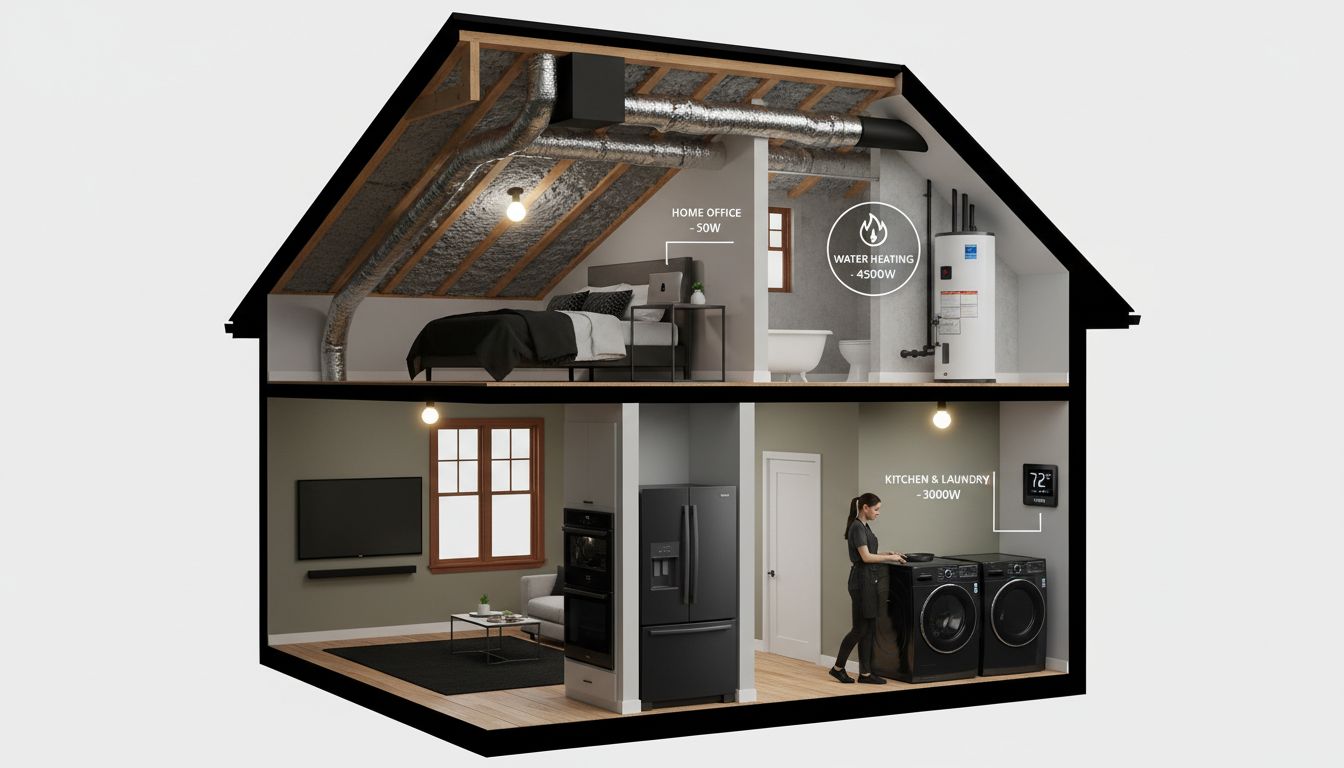
Residential energy consumption can be categorized into several primary areas:
- Space Heating and Cooling: The most significant energy consumer, representing nearly half of total household energy use
- Water Heating: Essential daily function that requires substantial energy input
- Lighting: Both interior and exterior lighting systems contribute to overall electricity consumption
- Appliances and Electronics: Refrigerators, washers, dryers, computers, and entertainment systems
- Cooking Equipment: Stoves, ovens, microwaves, and small kitchen appliances
The U.S. Department of Energy notes that energy consumption patterns can differ dramatically based on home type, with manufactured homes and apartments presenting unique efficiency challenges. Factors like insulation quality, window design, and building age significantly influence overall energy dynamics.
Modern homes increasingly integrate smart technologies to monitor and manage these energy consumption streams. By understanding how different systems and appliances draw power, homeowners can make informed decisions about energy efficiency, potentially reducing their consumption by implementing targeted improvements in the most energy-intensive areas of their living spaces.
Top Strategies for Reducing Energy Use
Reducing home energy consumption requires a multifaceted approach that combines smart technology, strategic upgrades, and mindful daily practices. Center for Climate and Energy Solutions recommends starting with fundamental changes that can dramatically lower overall energy expenditure, focusing on both equipment and behavioral modifications.
Energy efficiency strategies encompass several key areas:
- Upgrade to ENERGY STAR® certified appliances
- Improve home insulation and seal air leaks
- Install programmable or smart thermostats
- Replace traditional lighting with LED alternatives
- Use natural light and passive heating techniques
- Unplug electronics when not in use
- Maintain heating and cooling systems regularly
According to the U.S. Department of Energy, improving home insulation is one of the most cost-effective methods for reducing energy consumption. Proper insulation not only minimizes heat transfer but can significantly lower heating and cooling expenses, which typically represent the largest portion of household energy spending.
Implementing these strategies requires an initial investment but generates substantial long-term savings. By adopting a comprehensive approach that combines technological upgrades, structural improvements, and conscious consumption habits, homeowners can create more energy-efficient living spaces that benefit both their wallets and the environment.
Understanding Appliance Efficiency Ratings
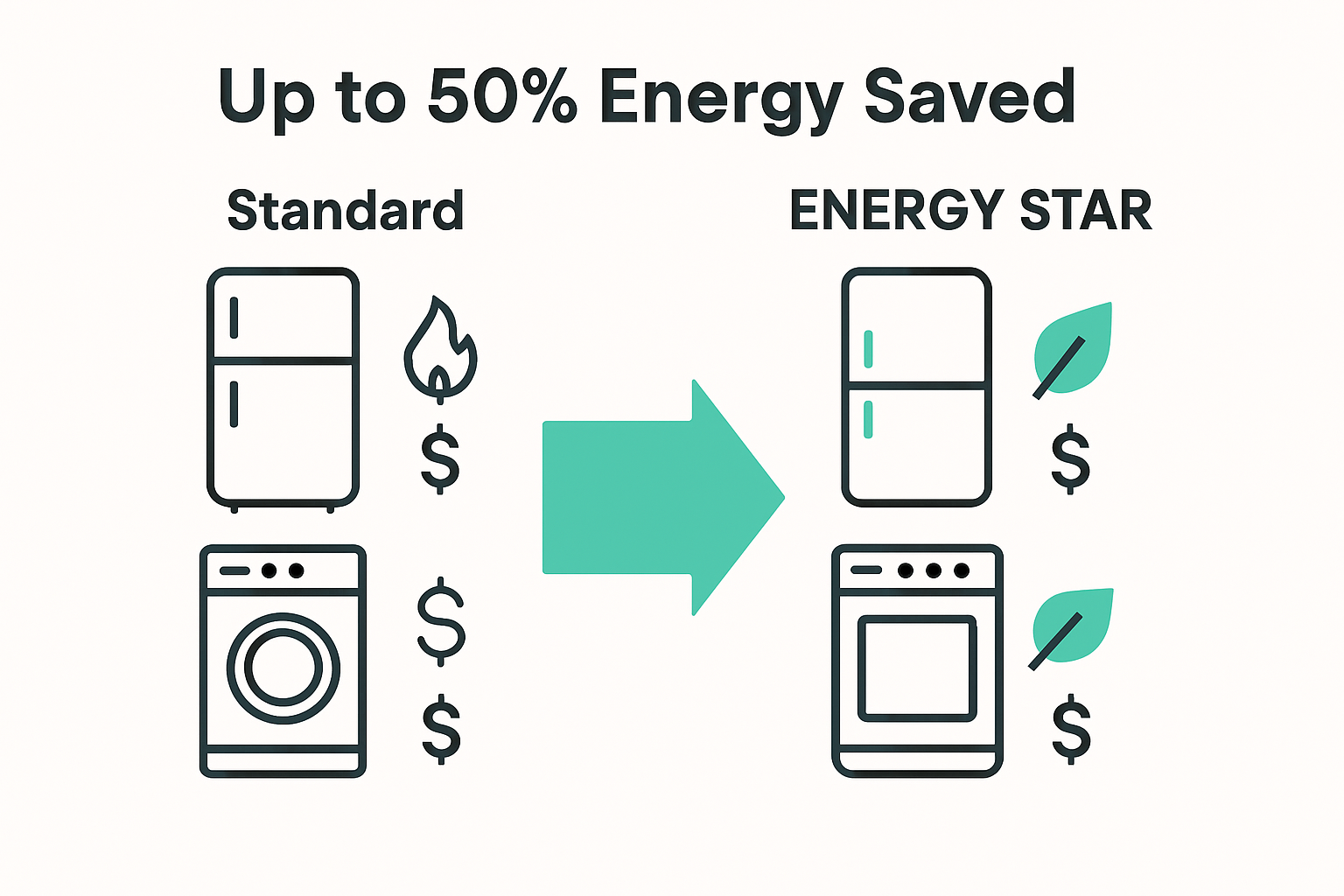
Appliance efficiency ratings provide consumers with critical insights into the energy performance of household devices, helping them make informed purchasing decisions. Green Home Technology Center reveals that ENERGY STAR certified appliances incorporate advanced technologies that can save between 10-50% energy compared to standard models, representing a significant opportunity for reducing household energy consumption.
Key components of appliance efficiency ratings include:
- Energy Usage Metrics: Quantitative measurements of power consumption
- Annual Operating Costs: Estimated electricity expenses for typical usage
- Comparative Performance Indicators: How the appliance performs relative to standard models
- Environmental Impact Ratings: Carbon footprint and ecological considerations
- Usage Guidelines: Recommended operational practices for maximum efficiency
Center for Climate and Energy Solutions emphasizes that ENERGY STAR® labels represent strict energy efficiency guidelines established jointly by the U.S. Environmental Protection Agency and Department of Energy. These certifications ensure that appliances meet rigorous standards for performance and energy conservation, giving consumers a reliable benchmark for making environmentally responsible choices.
Understanding these ratings goes beyond mere numbers. They represent a comprehensive approach to reducing energy consumption, helping homeowners make strategic investments in appliances that deliver both economic and environmental benefits. By selecting high-efficiency devices and understanding their performance metrics, consumers can significantly lower their household energy expenditure while contributing to broader sustainability efforts.
Common Mistakes and How to Avoid Them
Energy conservation requires awareness and intentional action, with many homeowners unknowingly making critical errors that substantially increase their energy consumption. Southeast Energy Assistance highlights that simple oversights like inappropriate thermostat management and leaving unnecessary lights on can dramatically escalate household energy expenses.
Common energy wastage mistakes include:
- Neglecting thermostat programming
- Leaving electronics and appliances plugged in when not in use
- Ignoring air leaks and poor home insulation
- Using outdated, inefficient appliances
- Overusing heating and cooling systems
- Failing to maintain HVAC equipment regularly
- Disregarding natural lighting and ventilation opportunities
According to the Center for Climate and Energy Solutions, one of the most significant missteps is continuing to use outdated appliances that consume excessive energy. Modern energy-efficient models can provide substantial long-term savings, making strategic upgrades a critical component of responsible home energy management.
Avoiding these common mistakes requires a proactive approach. By developing mindful consumption habits, investing in energy-efficient technologies, and regularly assessing home energy systems, homeowners can transform potential waste into meaningful conservation. Small, consistent changes can lead to significant reductions in both energy consumption and utility expenses.
Discover Smarter Energy Solutions for Your Home Entertainment
Saving energy at home means making smart choices that reduce power consumption while enhancing your daily comfort. The article highlights challenges like managing high energy use from electronic appliances and improper thermostat habits. One goal is to adopt efficient technologies that lower energy bills without sacrificing functionality. When it comes to home entertainment and display, selecting the right projector can make a big difference. Energy-efficient projectors with features like LED or laser light sources consume less power but still deliver stunning visuals for your home theater or office presentations.

Take control of your home's energy use today by exploring the wide selection of energy smart projectors and accessories at ProjectorDisplay.com. Our range includes energy-saving portable, laser, and smart projectors designed for both home and business applications. Make a positive impact on your monthly utility costs and enjoy high-quality display technology. Visit ProjectorDisplay.com now to find the perfect energy-efficient projector for your needs and start saving energy without compromising experience.
Frequently Asked Questions
What are some effective ways to save energy at home?
Upgrading to LED lighting, improving home insulation, using programmable thermostats, sealing air leaks, and adopting smart consumption habits are effective strategies for reducing energy use at home.
How does home insulation impact energy consumption?
Proper insulation minimizes heat transfer, significantly lowering heating and cooling expenses, which typically represent the largest portion of household energy spending.
What should I look for in energy-efficient appliances?
Look for ENERGY STAR certification, energy usage metrics, annual operating costs, and comparative performance indicators to ensure the appliance meets strict energy efficiency standards.
What common mistakes lead to increased energy consumption in homes?
Common mistakes include neglecting thermostat programming, leaving electronics plugged in when not in use, ignoring air leaks, and using outdated appliances that consume excessive energy.