

Nearly half of American educational institutions have reported a major cyber incident in the past year, exposing how vulnerable schools can be in an increasingly digital world. With digital learning now central to classrooms nationwide, the risks extend far beyond just lost emails or locked screens. Discover timely insights on the evolving threats facing American schools and the proactive measures that can protect sensitive student and staff data.
Table of Contents
- Defining Cybersecurity In Educational Contexts
- Types Of Cyber Threats Facing Schools
- Essential Security Measures For Classrooms
- Student Data Privacy Regulations In Malaysia
- Common Mistakes And Effective Prevention Tips
Key Takeaways
| Point | Details |
|---|---|
| Comprehensive Cybersecurity Strategy | Educational institutions must develop a multi-layered cybersecurity strategy that includes advanced technology and user education to mitigate digital threats. |
| Proactive Threat Detection | Implementing advanced threat detection mechanisms and regular security audits will help address evolving cyber risks in educational environments. |
| User Training and Awareness | Continuous cybersecurity training for staff and students is essential to recognize and respond effectively to potential threats. |
| Data Privacy Compliance | Educational institutions should ensure compliance with data privacy regulations while maintaining secure management of sensitive student information. |
Defining Cybersecurity in Educational Contexts
Cybersecurity in educational environments represents a critical digital defense strategy designed to protect sensitive institutional data, technological infrastructure, and digital learning platforms from sophisticated cyber threats. As educational institutions increasingly rely on digital technologies for instruction, administration, and communication, understanding the nuanced landscape of digital security becomes paramount.
Modern educational cybersecurity encompasses a comprehensive approach to safeguarding digital assets across multiple domains. Comprehensive research from academic journals highlights the urgent need for robust protection mechanisms against emerging cyber threats such as data breaches, ransomware attacks, and distributed denial of service (DDoS) incidents. These threats can compromise student and staff personal information, disrupt critical academic services, and potentially expose institutional networks to significant financial and reputational damage.
Key components of educational cybersecurity include protecting network infrastructure, securing student and staff data, managing digital learning platforms, and implementing proactive threat detection strategies. Cybersecurity challenges in educational institutions often stem from limited IT resources and complex technological ecosystems that require sophisticated, adaptive security approaches. These challenges demand comprehensive strategies that balance technological protection with user education and awareness.
Pro Security Recommendation: Develop a continuous cybersecurity training program for staff and students that includes regular workshops, simulated phishing exercises, and updated guidelines on recognizing and reporting potential digital security threats.
Types of Cyber Threats Facing Schools
Cybersecurity threats targeting educational institutions have become increasingly sophisticated and diverse, presenting complex challenges for schools attempting to protect their digital ecosystems. Comprehensive research reveals that educational environments face a wide range of cyber vulnerabilities that exploit unique characteristics of academic networks and institutional infrastructure.
Among the most prevalent threats, ransomware stands out as a particularly dangerous attack mechanism. These malicious software programs encrypt critical institutional data, demanding significant financial payments for restoration. Schools are attractive targets because they often maintain limited cybersecurity resources and manage extensive digital repositories containing sensitive student and staff information. Other critical threat categories include phishing attacks, which manipulate users into revealing login credentials, and distributed denial of service (DDoS) incidents designed to overwhelm network infrastructure and disrupt educational services.
K-12 educational institutions face unique cybersecurity challenges that stem from their complex technological environments, including diverse device networks, limited technical training, and extensive digital learning platforms. These vulnerabilities can manifest through multiple attack vectors such as malware infiltration, social media exploitation, and insider threats originating from students or staff with network access. The interconnected nature of modern educational technology creates multiple potential entry points for malicious actors seeking to compromise institutional data and systems.
To better understand the major cyber threats facing educational institutions, here is a comparison of the most significant attack types and their primary impacts:
| Threat Type | Typical Method | Main Impact |
|---|---|---|
| Ransomware | Encrypts critical data | Financial loss, data unavailability |
| Phishing | Deceptive communications | Credential theft, unauthorized access |
| DDoS Attacks | Overloads networks | Service disruption, downtime |
| Insider Threats | Misuse of access rights | Data leaks, internal system damage |
Pro Security Strategy: Implement a comprehensive, multi-layered cybersecurity approach that combines advanced technological protections, ongoing user education, regular security audits, and adaptive threat detection mechanisms to proactively address evolving digital risks.
Essential Security Measures for Classrooms
Effective cybersecurity in educational environments requires a comprehensive, multi-layered approach that addresses technological vulnerabilities while simultaneously empowering users with critical knowledge and defensive skills. Research consistently highlights the critical importance of implementing robust security measures across technological and human domains to protect sensitive institutional data and maintain operational integrity.
Key security measures for classroom environments include implementing advanced network protection strategies, such as robust firewall configurations, multi-factor authentication protocols, and endpoint security solutions. These technological defenses create critical barriers against potential cyber intrusions. Additionally, schools must prioritize comprehensive user education programs that train students and staff to recognize potential security threats, understand safe digital practices, and respond effectively to potential security incidents. Critical components of these educational initiatives include simulated phishing exercises, regular cybersecurity awareness workshops, and clear guidelines for managing digital resources.
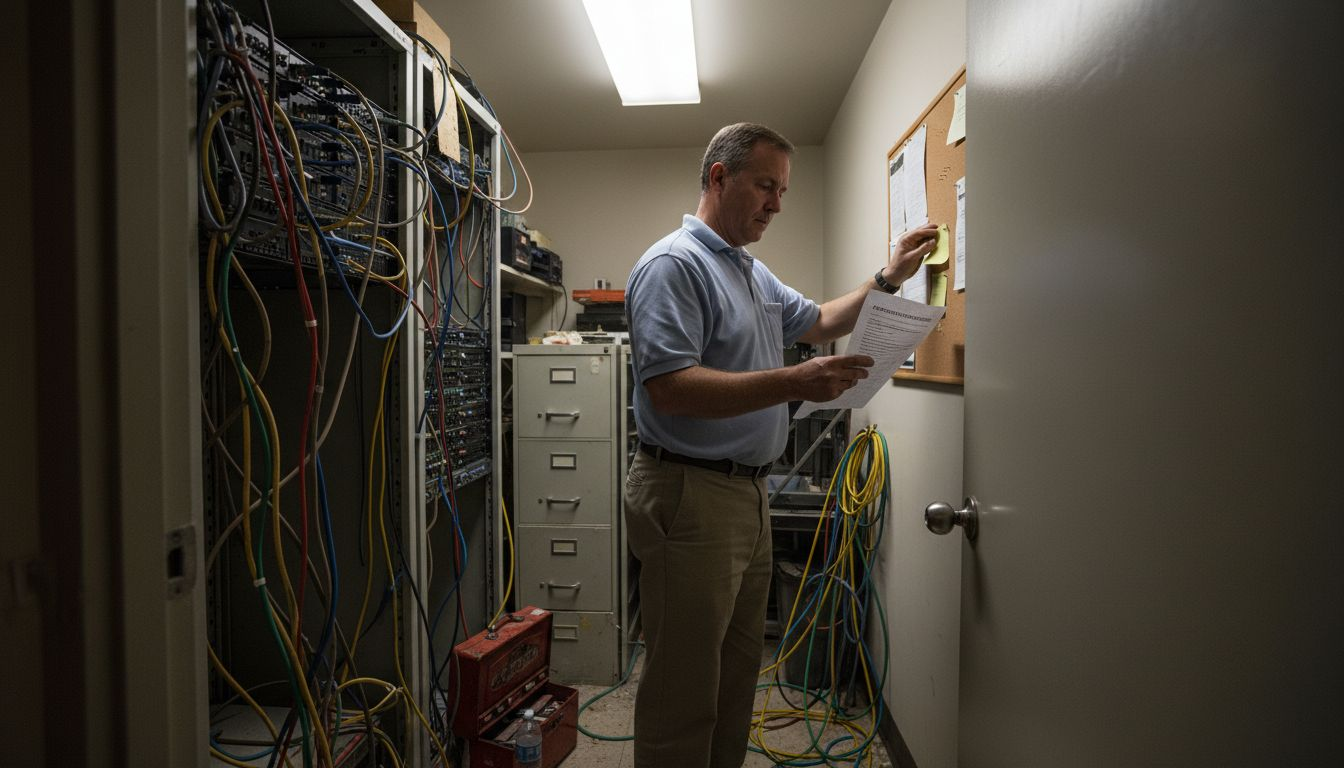
Modern educational institutions must adopt adaptive cybersecurity strategies that address the unique challenges of diverse technological ecosystems, including managing multiple device types, supporting remote learning platforms, and protecting extensive digital information repositories. This requires sophisticated approaches that combine technological solutions with ongoing user training, including implementing advanced threat detection mechanisms, creating secure network segmentation, and developing rapid incident response protocols that can quickly mitigate potential security breaches.
Pro Security Recommendation: Develop a comprehensive cybersecurity training curriculum that combines interactive learning modules, practical simulation exercises, and continuous assessment to ensure ongoing user awareness and adaptive security preparedness.
Student Data Privacy Regulations in Malaysia
The Personal Data Protection Act 2010 represents a critical legal framework governing data privacy and protection for educational institutions in Malaysia, establishing comprehensive guidelines for managing sensitive student information. This landmark legislation provides a robust mechanism for safeguarding personal data across multiple sectors, with specific implications for educational organizations handling extensive student records and digital information.
Key regulatory principles under the Malaysian data protection framework mandate that educational institutions implement stringent data management protocols. These include obtaining explicit consent before collecting student information, ensuring data accuracy, restricting unauthorized data access, and maintaining secure storage mechanisms. Critical compliance requirements involve developing transparent data handling policies, implementing robust technological safeguards, and creating comprehensive documentation demonstrating responsible information management practices.
Malaysian educational institutions must navigate complex legal obligations that balance technological innovation with student privacy protection, which requires a multifaceted approach to data governance. This involves establishing clear data collection protocols, implementing advanced cybersecurity measures, training staff on privacy regulations, and creating systematic processes for managing student information throughout its lifecycle. Institutions must also develop mechanisms for students and parents to understand their data rights, request information access, and initiate data correction or deletion procedures.
Pro Compliance Strategy: Create a comprehensive data protection handbook that clearly outlines institutional privacy policies, student data rights, and step-by-step guidelines for secure information management, ensuring transparency and regulatory compliance.
Common Mistakes and Effective Prevention Tips
Comprehensive cybersecurity research highlights several critical vulnerabilities that educational institutions frequently overlook, creating significant potential entry points for cyber threats. One of the most pervasive mistakes involves inadequate user training and awareness, which leaves digital systems exposed to sophisticated social engineering tactics and human error.
Common cybersecurity mistakes in educational environments include weak password management, insufficient network segmentation, and neglecting regular security updates. Inadequate access controls represent a particularly dangerous vulnerability, allowing unauthorized users potential entry into sensitive digital systems. Educational institutions often struggle with managing complex technological ecosystems that include multiple device types, diverse user groups, and interconnected learning platforms, which creates intricate security challenges requiring comprehensive, nuanced prevention strategies.
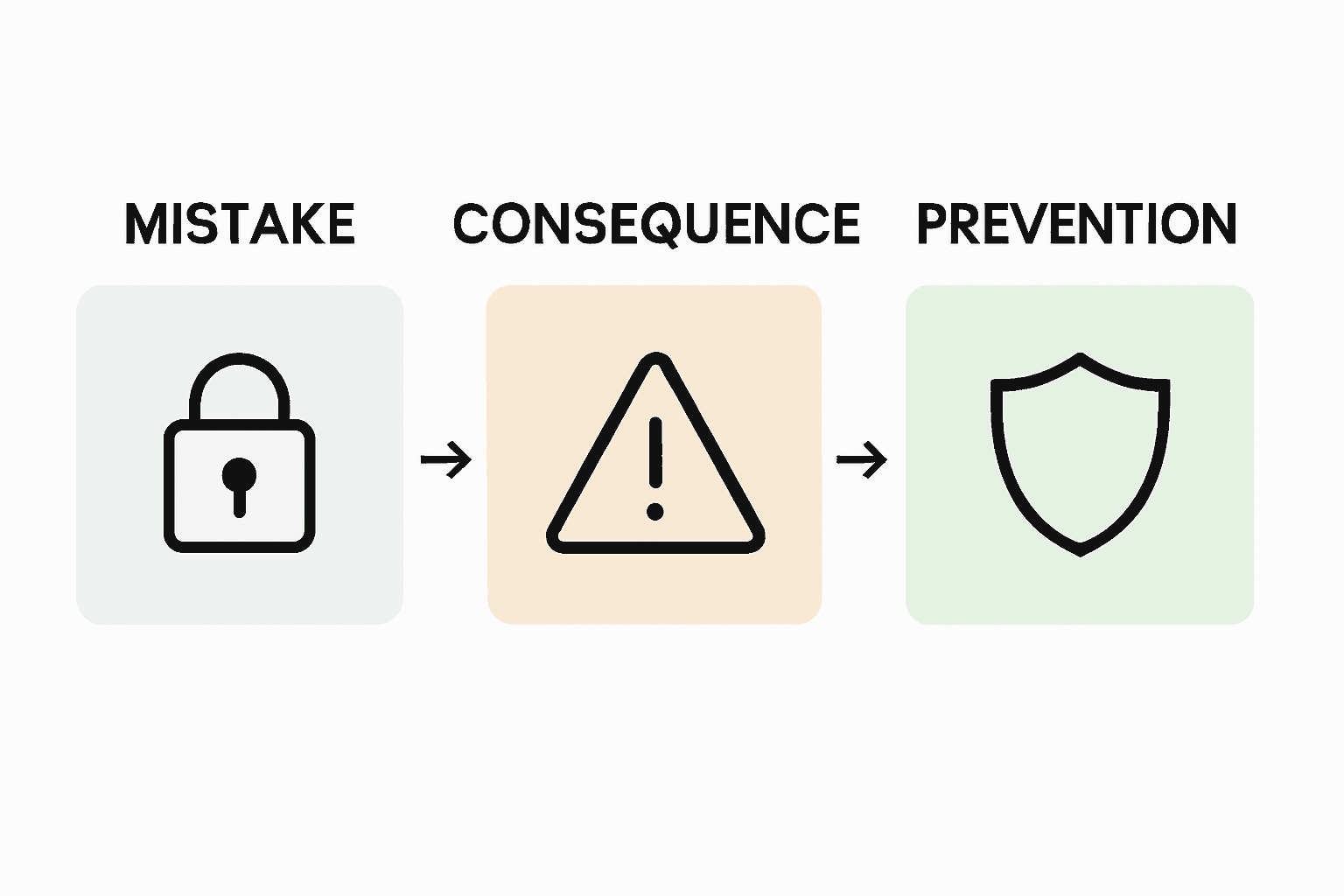
The following table summarizes common cybersecurity mistakes in schools and highlights targeted prevention strategies:
| Common Mistake | Prevention Strategy |
|---|---|
| Weak passwords | Enforce password complexity and rotation |
| Lack of user training | Provide regular security awareness courses |
| Insufficient updates | Schedule automatic software patching |
| Poor access controls | Implement strict user permissions |
Modern educational cybersecurity demands a proactive approach that addresses emerging technological vulnerabilities, particularly in remote and hybrid learning environments. Critical prevention strategies involve implementing robust multi-factor authentication protocols, conducting regular security audits, developing comprehensive incident response plans, and creating ongoing cybersecurity awareness programs. Schools must also prioritize advanced technological solutions such as endpoint protection, network monitoring tools, and adaptive threat detection mechanisms that can quickly identify and neutralize potential security breaches.
Pro Prevention Strategy: Develop a dynamic, continuous cybersecurity training program that combines interactive learning modules, real-world simulation exercises, and periodic assessment to ensure users remain actively engaged in maintaining institutional digital security.
Secure Your Educational Spaces with Reliable Display Technology
Educational institutions face critical cybersecurity challenges as they strive to protect sensitive student data and digital learning environments from evolving cyber threats. Alongside advanced cybersecurity measures, having dependable and secure projection equipment in classrooms can enhance digital lessons while supporting network safety protocols. Choosing the right projection solutions not only improves engagement but also reduces risks linked to outdated or vulnerable devices.

Discover how ProjectorDisplay.com offers a wide range of smart projectors and interactive displays designed for educational settings throughout Malaysia. Equipped with features such as wireless connectivity and secure device integration, our products help educators maintain a safe and dynamic classroom while supporting compliance with data protection standards like Malaysia's Personal Data Protection Act. Take the next step to strengthen your classroom technology by exploring our trusted projector selection today and ensure a bright and secure learning future.
Frequently Asked Questions
What is cybersecurity in educational contexts?
Cybersecurity in educational contexts refers to the strategies and measures implemented to protect sensitive institutional data, technological infrastructure, and digital learning platforms from various cyber threats such as data breaches and ransomware attacks.
What are common cyber threats faced by educational institutions?
Common cyber threats include ransomware attacks, phishing schemes, distributed denial of service (DDoS) incidents, and insider threats, which can compromise sensitive student and staff information and disrupt educational services.
What security measures should schools implement to protect digital classrooms?
Schools should implement advanced network protection strategies, such as firewalls and multi-factor authentication, alongside comprehensive user education programs that teach students and staff to recognize and respond to potential security threats effectively.
How can educational institutions ensure compliance with data privacy regulations?
Institutions can ensure compliance by developing clear data management protocols, obtaining explicit consent before collecting personal information, training staff on privacy laws, and maintaining secure storage mechanisms for sensitive data.