
TL;DR:
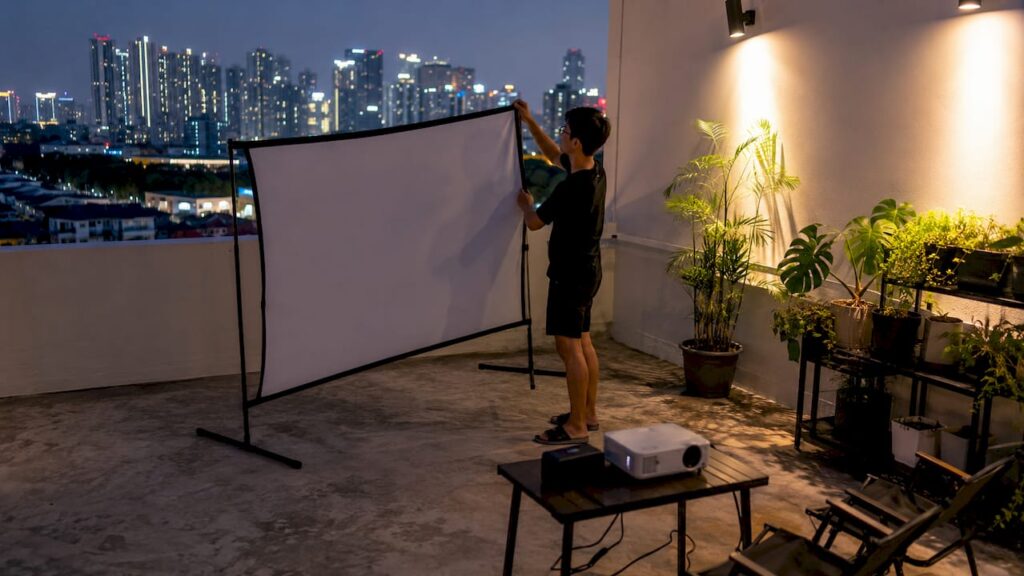
- A tripod-style portable projector screen with a wrinkle-resistant matte white surface offers the best balance for Malaysian home, business, and educational use. These screens are portable, flat, and easy to set up, making them ideal for various environments. Choosing the right size, surface material, and type enhances image quality and simplifies setup.
A portable projector screen is defined as a freestanding or foldable projection surface designed to be set up, packed down, and moved between locations without permanent installation. Choosing the best portable projector screen for your needs in Malaysia comes down to three factors: screen type, surface material, and size. Whether you are setting up a home cinema in your living room, running a business presentation in a client's office, or teaching a class in a school hall, the right screen makes a measurable difference in image quality and setup speed. Sizes typically range from 70 to 150 inches, covering everything from compact personal setups to large group viewing. This guide covers every key decision point for Malaysian buyers in 2026.
1. What are the best portable projector screen types?
Portable projector screens fall into three main categories: foldable or frameless, tripod-style, and floor-rising. Each type suits a different use case, and picking the wrong one is the most common mistake buyers make.

Foldable or frameless screens are the lightest option. They pack into a carry bag and weigh as little as 1–2 kilograms, making them the top choice for outdoor movie nights, camping trips, and travel. The tradeoff is surface flatness. Cloth screens without a rigid frame can develop wrinkles, which distort the projected image if not managed properly.
Tripod-style screens offer a better balance of portability and image flatness. A spring-loaded roller sits on a collapsible tripod stand. Setup takes roughly 1–10 minutes depending on the model. This type is the standard choice for business presentations and classroom use across Malaysia because the surface stays taut and the stand holds the screen at a consistent height.
Floor-rising or motorized screens represent the premium end of portable options. They sit in a floor or ceiling housing and rise at the press of a button. Motorized screens enable dedicated theater experiences that disappear completely when not in use. They weigh more and cost more, but they deliver the flattest surface and the cleanest look for a dedicated home theater room.
Pro Tip: If you use your projector in more than one location each week, choose a tripod screen over a foldable cloth screen. The added weight is worth the consistently flat surface.
2. Which features matter most when choosing a screen in Malaysia?
Screen material is the single most important feature to evaluate. The surface coating determines how much light reflects back to viewers, how wide the viewing angle is, and how the screen performs in rooms with windows or overhead lighting.
Gain rating
Gain measures how much light a screen reflects compared to a standard white surface. A gain of 1.0 reflects light evenly in all directions. Higher gain (1.2–1.8) concentrates reflected light toward the center of the viewing area, which boosts brightness but narrows the viewing angle. For Malaysian living rooms with multiple seating positions, a gain between 1.0 and 1.2 works best.
Ambient light rejecting surfaces
ALR screens reflect projector light back to viewers while simultaneously rejecting light from overhead sources and windows. This is especially relevant in Malaysia, where rooms often have bright overhead lighting and natural light from large windows. An ALR surface lets you run a projector without fully darkening the room. The technology costs more, but it solves a real problem for daytime use in offices and classrooms.
Wrinkle resistance
Screen mechanism choice affects image flatness more than screen size. Foldable cloth screens risk wrinkles without a rigid frame or tensioning system. Many models now incorporate wrinkle-resistant fabrics that improve image stability, particularly in foldable portable designs. When buying a foldable screen, look specifically for "wrinkle-resistant" or "elasticized edge" in the product description.
Viewing angle
A wide viewing angle matters most in classrooms and meeting rooms where viewers sit at the sides of the room. Most matte white surfaces offer a 160-degree viewing angle. High-gain screens narrow this significantly. Match the screen's viewing angle to your room's seating layout before buying.
Size and portability tradeoff
Portability trades off directly with size and setup complexity. A 70-inch foldable screen fits in a backpack. A 150-inch tripod screen requires a dedicated carry bag and two people to set up comfortably. Choose the largest screen your transport situation can handle, not the largest screen available.
Pro Tip: Check the packed dimensions of any screen before buying, not just the diagonal size. A 120-inch tripod screen can pack down to under 130 centimeters, which fits in most car trunks.
3. How to match a portable screen to your specific use in Malaysia
The right screen depends on where and how you use it most. Here is a breakdown by use case.
Home entertainment: A tripod screen in the 100–120 inch range delivers a genuine cinema feel without permanent installation. For dedicated home theater rooms, a motorized projection screen gives you the flattest surface and the cleanest aesthetic. Pair it with a full HD or 4K projector for the best results. If you want to understand how a screen compares to a large TV for home viewing, the projector screen vs. TV comparison is worth reading before you decide.
Outdoor movie nights and camping: Foldable screens in the 100–120 inch range are the standard choice. Wrinkle-resistant designs reduce setup adjustments and improve image quality outdoors. Look for a screen with grommets or stakes so you can secure it against wind. A projektor murah paired with a lightweight foldable screen is a popular and affordable outdoor setup across Malaysia.
Business presentations: Tripod and motorized screens offer greater stability and better image flatness, making them the preferred choice for meeting rooms and client presentations. An 84–100 inch tripod screen is the standard size for a conference room seating 10–20 people. For tips on getting the most from a portable projector in professional settings, Projectordisplay's guide on portable projectors for business covers setup and positioning in detail.
Education and classrooms: Durability and ease of setup are the top priorities for school environments. A tripod screen with a simple pull-up mechanism works well because teachers can deploy it in under two minutes without tools. The future of projectors in Malaysian classrooms points toward larger screens paired with interactive displays, so buying a screen with at least 100 inches of diagonal gives classrooms room to grow.
Budget buyers: Entry-level foldable screens in the 84–100 inch range deliver acceptable image quality for casual use. The key is to prioritize a wrinkle-resistant surface over raw size. A smaller, flatter screen always outperforms a larger, wrinkled one.
4. Maintenance tips and setup best practices
Proper handling extends the life of any portable screen and keeps the image looking sharp. The most common cause of screen damage is improper folding and storage.
- Always fold along the original crease lines. Folding against the grain creates permanent wrinkles that no amount of tension will remove.
- Clean with a dry microfiber cloth. Avoid water or cleaning sprays on matte white surfaces. Moisture can break down the reflective coating over time.
- Store in the original carry bag. The bag is shaped to protect the screen's edges and prevent the frame from bending.
- Allow the screen to hang for 30 minutes before use. Gravity removes most transport wrinkles from foldable cloth screens without any additional effort.
- Check the tensioning system before each use. On tripod screens, verify that the spring mechanism is fully extended and locked before projecting.
Pro Tip: For outdoor setups in Malaysia's humid climate, wipe down the screen surface with a dry cloth after each use before packing it away. Moisture trapped inside the carry bag accelerates mold growth on fabric surfaces.
Understanding projector screen materials in depth helps you choose a surface that holds up in Malaysia's heat and humidity over the long term.
Key takeaways
The best portable projector screen for Malaysian buyers is a tripod-style screen with a wrinkle-resistant matte white surface, sized between 100 and 120 inches, because it balances portability, image flatness, and setup speed across home, business, and education use cases.
| Point | Details |
|---|---|
| Screen type drives image quality | Tripod and motorized screens deliver flatter surfaces than foldable cloth options. |
| ALR surfaces solve bright-room problems | ALR screens maintain image quality in Malaysian rooms with uncontrolled ambient light. |
| Size trades off with portability | Choose the largest screen your transport situation supports, not the largest available. |
| Wrinkle resistance is a must-have feature | Wrinkle-resistant fabric reduces setup time and improves outdoor image quality. |
| Match screen to use case | Home theater, business, and outdoor setups each require a different screen type and size. |
What I have learned after years of watching Malaysian buyers choose screens
The most consistent mistake I see is buyers focusing entirely on projector specs and treating the screen as an afterthought. A high-quality projector paired with a wrinkled, low-gain cloth screen will always underperform a mid-range projector on a flat, properly tensioned surface. The screen is half the image.
The second mistake is buying for maximum size. A 150-inch screen sounds impressive, but if your room is 4 meters wide, the image will spill past the screen edges or force you to sit too close for comfortable viewing. The right size is the one that fits your throw distance and seating arrangement, not the largest one in the catalog.
The market in 2026 has genuinely improved for Malaysian buyers. Testing across 16 products with over 50,000 reviews confirms that portable screens now deliver premium home theater quality without permanent installation. ALR and tab-tensioned motorized screens, once reserved for dedicated cinema rooms, are now available at prices that make sense for multipurpose Malaysian apartments and offices.
One overlooked feature worth paying attention to is the carry bag quality. Cheap bags with thin zippers fail quickly, and a damaged carry bag means a damaged screen within a few months of regular transport. Inspect the bag before you buy, not just the screen.
For anyone building a home cinema from scratch, the home theater setup guide at Projectordisplay walks through screen placement, projector positioning, and room acoustics in a way that saves hours of trial and error.
— Projector
Projector Display Malaysia has the right screen for your setup
Projectordisplay carries a full range of portable projector screens in Malaysia, from lightweight foldable options for outdoor use to motorized screens for dedicated home theater rooms. Every product ships fast within Peninsular Malaysia, and the team is available via WhatsApp for personalized advice on sizing, screen material, and projector compatibility.
If you are unsure whether a projector and screen setup is the right choice for your space, the Projectordisplay guide on why projectors outperform screens for large rooms lays out the case clearly. Browse the full screen catalog at Projectordisplay and find the model that fits your room, your budget, and your use case today.
FAQ
What size portable projector screen works best for home use in Malaysia?
A 100–120 inch screen suits most Malaysian living rooms and delivers a genuine cinema experience. Match the screen size to your projector's throw distance before buying.
What is the difference between ALR and matte white screens?
ALR screens reject ambient light from windows and overhead fixtures, maintaining image quality in bright rooms. Matte white screens perform best in darkened rooms and cost less.
How long does a portable projector screen take to set up?
Pop-up foldable screens deploy in about one minute. Tripod-style screens take roughly 5–10 minutes. Motorized screens rise at the press of a button once installed.
Can I use a portable projector screen outdoors in Malaysia?
Yes. Foldable screens with wrinkle-resistant fabric and grommets for staking work well outdoors. Choose a screen with a gain of 1.0–1.2 for the widest viewing angle in open-air settings.
What screen material is best for a business presentation setup?
A matte white surface with a gain of 1.0–1.2 works best for business presentations. It delivers a wide viewing angle and accurate color reproduction under standard office lighting.