
TL;DR:
- Choosing the correct aspect ratio is essential for a balanced home cinema experience, with 16:9 being the most versatile for most viewers.
- A 2.35:1 screen offers a cinematic feel but requires specialized projectors and added setup complexity, making it suitable for dedicated film rooms.
Home cinema screen aspect ratio is the proportional relationship between the width and height of your projector screen, and it directly determines how every movie, show, or game fills your wall. Get it wrong and you lose image area, introduce distracting black bars, or buy a screen that fights your projector. Get it right and your setup feels like a real theater. The two ratios that matter most for home theater buyers in Malaysia are 16:9 and 2.35:1, and the choice between them shapes everything from your seating distance to your equipment budget. Brands like Epson, Optoma, and Viewsonic all build their projectors around these formats.
What are the most common home cinema screen aspect ratios?
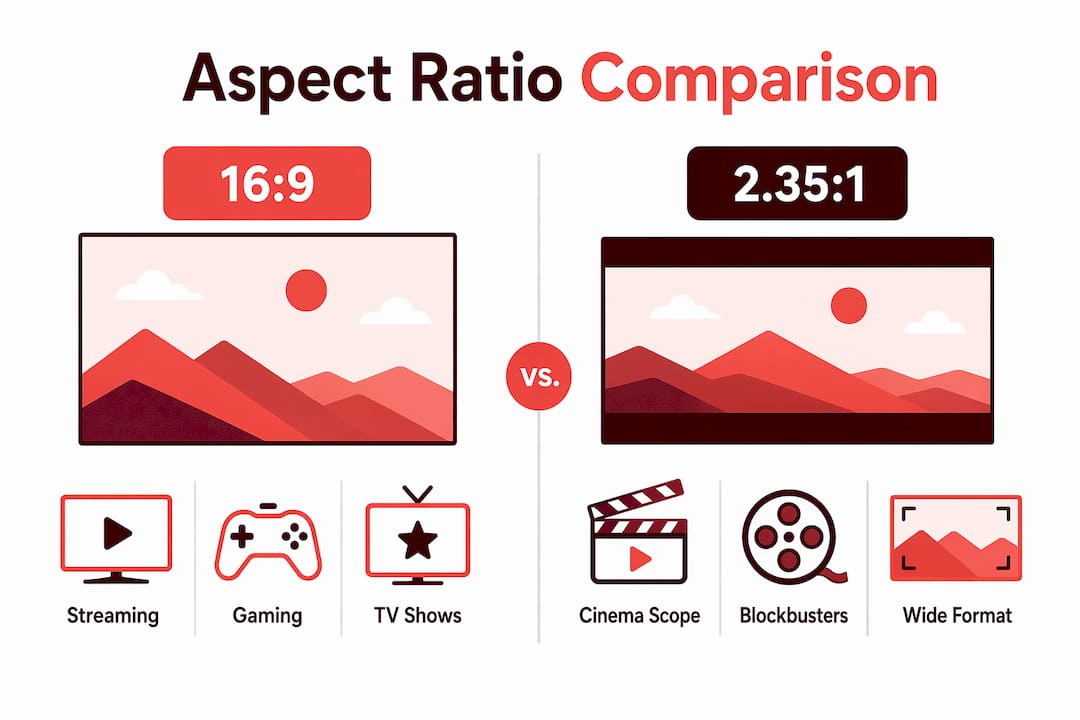
Aspect ratio, also called the image format, is expressed as width divided by height. A 16:9 screen is 16 units wide for every 9 units tall. A 2.35:1 screen is 2.35 units wide for every 1 unit tall. These two formats cover the vast majority of home theater setups worldwide.
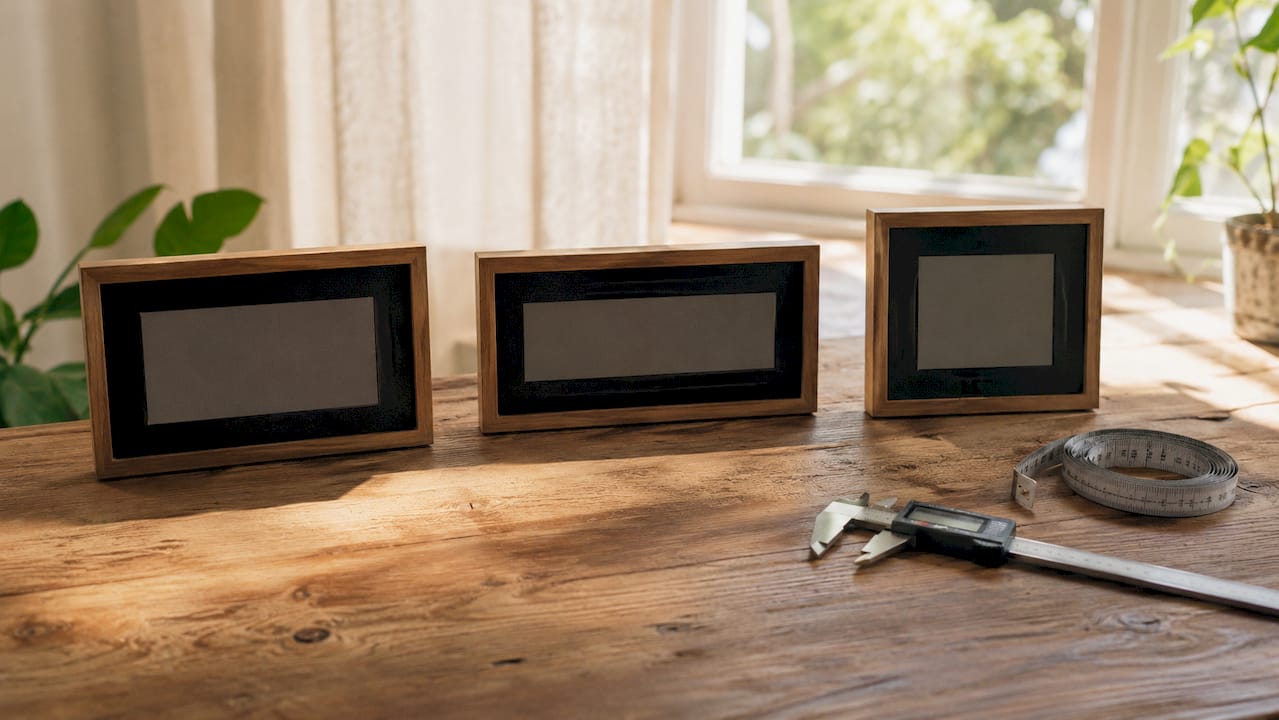
16:9 is the universal standard for HDTV, streaming platforms like Netflix and Disney+, gaming consoles, and most broadcast content. Every modern projector sold in Malaysia, from Epson LCD projectors to Optoma laser models, ships with a native 16:9 chip. This ratio fills the screen completely for the content most buyers watch every day.
2.35:1, also called CinemaScope or the anamorphic widescreen format, is the standard for theatrical blockbusters. Films like Dune, Interstellar, and most Marvel releases are shot in this ratio. When you play a 2.35:1 film on a 16:9 screen, 25% of screen area is lost to black letterbox bars at the top and bottom. That is a significant chunk of your screen doing nothing.
4:3 is the old television standard. It still appears in legacy business projectors and some classroom setups, but it is not a practical choice for a dedicated home cinema. 16:10 is a slight variation used in some education and presentation projectors, including certain Epson and BenQ models, but it has no meaningful advantage for home theater use.
| Aspect Ratio | Common Name | Primary Use | Content Fit |
|---|---|---|---|
| 16:9 | Widescreen HD | Streaming, gaming, TV | Full screen for most content |
| 2.35:1 | CinemaScope | Theatrical films | Full screen for widescreen movies |
| 4:3 | Standard | Legacy TV, presentations | Pillarboxes with modern content |
| 16:10 | WUXGA | Education, business | Slight bars with 16:9 content |
How do screen aspect ratios affect viewing experience and room setup?
The ratio you choose changes how large the image feels, how far back you need to sit, and how immersive the experience becomes. These are not minor differences.
THX recommends a 36-degree viewing angle for an immersive cinema experience. SMPTE recommends 30 degrees for comfortable broadcast viewing. Both standards translate to a seating distance of roughly 1.5 to 2 times the screen width. A 120-inch 16:9 screen is about 105 inches wide, which puts your ideal seat at 157 to 210 inches, or roughly 4 to 5.3 meters from the screen. Most Malaysian living rooms and dedicated media rooms fall comfortably within that range.
Here is where 2.35:1 surprises most buyers. A 100-inch 2.35:1 screen is actually smaller in total surface area than a 100-inch 16:9 screen. The diagonal measurement is the same, but the 2.35:1 screen is shorter in height. That reduced height means the image feels less tall and can feel less immersive for non-cinematic content. You need to go wider, not just bigger, to match the perceived size of a 16:9 screen.
Key practical factors to check before you buy:
- Room width: A 2.35:1 screen at the same diagonal as a 16:9 screen needs more horizontal wall space.
- Ceiling height: A 16:9 screen at 120 inches needs about 59 inches of vertical image height. Check your ceiling clearance.
- Seating distance: Use the screen size calculator from Projectordisplay to match your room dimensions to the right screen size.
- Masking borders: A 20–30 cm light-absorbing border around the screen significantly improves perceived contrast and cinematic effect.
Pro Tip: Measure your room before you choose a screen diagonal. Many buyers in Malaysia pick a 120-inch screen because it sounds impressive, then discover their seating distance is too short for comfortable viewing. The right screen is the largest one that keeps your seating at 1.5 to 2 times the screen width.
What are the technical and cost considerations for 16:9 vs. 2.35:1?
The setup complexity gap between these two formats is larger than most buyers expect. It is not just a screen purchase. It is an ecosystem decision.
A 16:9 setup is straightforward. You buy a projector with a native 16:9 chip, pair it with a 16:9 projection screen, and the image fills the screen for virtually all content. Projectors from Epson Malaysia, Optoma Malaysia, BenQ Malaysia, and Viewsonic Malaysia all support this natively. No additional lenses, no complex calibration. 16:9 screens allow full use of the projector's native resolution without any image processing compromise.
A 2.35:1 constant-image-height setup is a different story. To fill a 2.35:1 screen without black bars, you need either an anamorphic lens attachment or a projector with lens memory. Anamorphic lenses and lens memory add meaningful cost and complexity to the setup. JVC and Panasonic projectors offer lens memory as a built-in feature on their higher-end models. Most entry and mid-range projectors sold in Malaysia do not.
Key cost and complexity factors to weigh:
- Anamorphic lens: Adds cost on top of the projector price. Requires precise alignment.
- Lens memory: Available on premium JVC, Panasonic, and some Optoma models. Switches zoom automatically between 16:9 and 2.35:1 content.
- Screen cost: A 2.35:1 screen at the same perceived image height as a 16:9 screen requires a wider, more expensive screen.
- Projector compatibility: Mismatching projector and screen ratios forces zoom adjustments or cropping that reduce image quality.
Pro Tip: If you are buying your first home projector in Malaysia and your budget is under RM 5,000 for the projector, stick with 16:9. The anamorphic lens or lens memory investment needed for a proper 2.35:1 setup typically costs more than the savings you would make elsewhere. Revisit 2.35:1 when you are ready to invest in a premium projector like the Optoma CinemaX D2+ or a JVC model.
How to choose the best screen aspect ratio for your home cinema
Your content library and viewing habits are the single most reliable guide to the right aspect ratio. Everything else is secondary.
Choose 16:9 if:
- You watch Netflix, YouTube, sports, or gaming more than theatrical films.
- Your budget for the full setup is under RM 10,000.
- You want a simple setup that works perfectly out of the box.
- You use a wireless projector Malaysia setup with a streaming stick or smart projector.
Choose 2.35:1 if:
- You watch theatrical films almost exclusively and own a large Blu-ray or 4K disc collection.
- You are willing to invest in lens memory or an anamorphic lens.
- You have a dedicated, light-controlled home cinema room.
- You want the closest possible match to the cinema screen format used in commercial theaters.
| Decision Factor | 16:9 | 2.35:1 |
|---|---|---|
| Content compatibility | Streaming, gaming, TV, most films | Theatrical widescreen films |
| Setup complexity | Low | High |
| Projector cost | Standard | Premium required |
| Screen cost | Standard | Higher for same image height |
| Black bars | With 2.35:1 films | With 16:9 content |
| Best for | All-round home theater | Dedicated cinephile setup |
Future-proofing matters too. The projector screen instead of TV trend is growing in Malaysia, and 16:9 screens remain the safest long-term investment because all new content formats default to this ratio. If you plan to upgrade your projector in two or three years, a 16:9 screen will work with any replacement you buy.
Key Takeaways
The best home cinema screen aspect ratio is 16:9 for most buyers, with 2.35:1 reserved for dedicated cinephiles who invest in the right projector technology to support it.
| Point | Details |
|---|---|
| 16:9 is the all-round standard | It fills the screen for streaming, gaming, and most films without any extra equipment. |
| 2.35:1 suits film enthusiasts | It requires anamorphic lenses or lens memory, adding cost and setup complexity. |
| Screen diagonal can mislead | A 100-inch 2.35:1 screen has less surface area than a 100-inch 16:9 screen. |
| Masking borders improve contrast | A 20–30 cm light-absorbing border around any screen improves perceived image quality. |
| Match projector to screen ratio | Mismatched ratios force zoom or cropping that reduces native resolution quality. |
What I have learned after years of watching buyers get this wrong
Most buyers in Malaysia walk into a home cinema purchase focused on projector brightness and resolution. Aspect ratio is an afterthought. That is the wrong order of priorities.
The most common mistake I see is buying a 2.35:1 screen because it looks cinematic, then pairing it with a standard 16:9 projector. The result is a screen that is never fully filled, a projector running in zoom mode, and a loss of native resolution. The setup looks worse than a simpler 16:9 system would have.
The second mistake is ignoring masking. A bare screen edge bleeds light into the room and kills perceived contrast. Even a simple black velvet border transforms how sharp and deep the image looks. This applies to both 16:9 and 2.35:1 setups equally.
My honest recommendation: if you are building your first home cinema, buy the best 16:9 projector your budget allows, pair it with a quality 16:9 screen, and add proper masking borders. Brands like Epson, Optoma, BenQ, and Viewsonic all offer excellent projectors in Malaysia at multiple price points. Use a viewing distance calculator to size your screen correctly before you buy. Only move to 2.35:1 when you are ready to invest in the full ecosystem it requires.
— Projector
Projector screens and projectors for every aspect ratio at Projectordisplay
Projectordisplay carries a full range of projector screens in Malaysia sized for both 16:9 and 2.35:1 setups, from portable wall-mounted options to motorized screens for dedicated home cinema rooms.
The catalog includes projectors from Epson Malaysia, Optoma Malaysia, BenQ Malaysia, Viewsonic Malaysia, Hisense Malaysia, and JVC Malaysia, covering every budget from projektor murah entry models to premium 4K laser home cinema projectors. The Optoma CinemaX D2+ and the Viewsonic X2000B-4K are two strong options for buyers who want ultra short throw performance with full 4K HDR output. If you are still deciding on room size and screen dimensions, the guide on why projectors beat screens for large rooms is a practical next step. Fast shipping across Peninsular Malaysia and WhatsApp support make Projectordisplay one of the best projector shops for local buyers.
FAQ
What is the best aspect ratio for a home cinema screen?
16:9 is the best aspect ratio for most home cinema setups because it matches the native format of streaming, gaming, and the majority of modern films. Choose 2.35:1 only if you watch theatrical widescreen films almost exclusively and own a projector with lens memory or an anamorphic lens.
Does a 2.35:1 screen look bigger than a 16:9 screen at the same diagonal?
No. A 100-inch 2.35:1 screen has less total surface area than a 100-inch 16:9 screen because its height is shorter. The diagonal measurement is the same, but the image feels smaller vertically.
What happens when you play 16:9 content on a 2.35:1 screen?
Black pillarbox bars appear on the left and right sides of the image. The projector either crops the image or adds bars to fill the width, both of which reduce the effective use of your screen and projector resolution.
How far should I sit from my home cinema screen?
THX recommends a seating distance that creates a 36-degree viewing angle, which works out to roughly 1.5 to 2 times the screen width. For a 120-inch 16:9 screen, that means sitting approximately 4 to 5.3 meters from the screen.
Do I need a special projector for a 2.35:1 screen?
Yes. A standard 16:9 projector will not fill a 2.35:1 screen without black bars unless it has lens memory or you add an anamorphic lens. Premium projectors from JVC, Panasonic, and select Optoma Malaysia models support this natively.