

Nearly every modern american industry relies on advanced control system integration to keep operations running smoothly. These interconnected systems are the backbone of smart factories, schools, and even homes, transforming standalone devices into intelligent networks. With more than 60 percent of industrial businesses prioritizing integration for efficiency, understanding the basics of this technology is crucial. Here you will discover how control system integration shapes smarter environments and why it matters for technology decisions in every american setting.
Table of Contents
- Defining Control System Integration Basics
- Types of Control Systems in AV Environments
- How Integration Works: Main Processes Involved
- Applications in Business, Education, and Home Use
- Benefits, Costs, and Common Pitfalls
Key Takeaways
| Point | Details |
|---|---|
| Control System Integration | Combines various technological components into a unified framework to optimize project performance and efficiency. |
| Types of Control Systems | Includes centralized, decentralized, integrated, and standalone systems tailored for specific environments such as AV applications. |
| Main Processes of Integration | Involves system analysis, compatibility assessments, architecture design, and communication protocol mapping for effective technological synergy. |
| Benefits and Challenges | Offers enhanced operational efficiency and flexibility, but requires careful strategic planning to avoid common pitfalls like compatibility issues and underestimating future scalability. |
Defining Control System Integration Basics
Control system integration represents a sophisticated engineering approach that combines multiple technological components into a unified operational framework. At its core, this process involves strategically connecting various hardware, software, and communication systems to create seamless, efficient industrial solutions.
The fundamental goal of control system integration is to optimize project performance and design efficiency by ensuring different technological subsystems communicate effectively. This approach allows organizations to transform discrete technological elements into interconnected, intelligent networks that enhance overall system capabilities. Key aspects of integration include:
- Establishing robust communication protocols
- Synchronizing diverse technological platforms
- Enabling real-time data exchange
- Implementing scalable architectural designs
Understanding control system integration requires recognizing its multifaceted nature. Advanced integration strategies typically involve comprehensive considerations such as:
- Physical packaging and device configuration
- Timing and synchronization mechanisms
- Communication technology selection
- Software tool integration
By thoughtfully connecting disparate technological components, control system integration enables more intelligent, responsive, and adaptive industrial environments. The process demands deep technical expertise, strategic planning, and an understanding of how different systems can work harmoniously to achieve complex operational objectives.
Types of Control Systems in AV Environments
Audio-visual control systems represent sophisticated technological frameworks that manage and coordinate complex multimedia environments across various professional and educational settings. These systems enable seamless integration and management of diverse technological components, transforming how organizations interact with audiovisual equipment.
In educational and professional contexts, control systems offer centralized management strategies that streamline equipment operation and enhance user experience. These systems typically fall into several fundamental categories:
- Centralized Control Systems: Single interface managing multiple devices
- Decentralized Control Systems: Distributed control across different network nodes
- Integrated Control Systems: Comprehensive platforms connecting various technological subsystems
- Standalone Control Systems: Independent systems managing specific equipment sets
Show control systems represent a sophisticated approach to managing complex multimedia environments, particularly in entertainment and presentation contexts. These advanced platforms coordinate multiple technological elements including:
- Lighting control mechanisms
- Audio synchronization technologies
- Video projection systems
- Special effect management
Understanding the nuanced differences between these control system types enables organizations to select the most appropriate technological solution for their specific audiovisual integration requirements. Each system offers unique advantages, designed to optimize operational efficiency, enhance user interaction, and provide seamless technological experiences across diverse professional environments.

How Integration Works: Main Processes Involved
Control system integration is a multifaceted engineering discipline that transforms isolated technological components into cohesive, intelligent networks. The process demands precision, strategic planning, and a comprehensive understanding of how different systems interact and communicate.
Effective integration begins with early project involvement, focusing on optimizing design and establishing a framework for future technological scalability. The primary processes involved in control system integration include:
- System Analysis: Comprehensive evaluation of existing technological infrastructure
- Compatibility Assessment: Identifying potential communication interfaces and potential conflicts
- Architecture Design: Developing a unified technological blueprint
- Communication Protocol Mapping: Establishing standardized interaction mechanisms
Advanced integration strategies typically involve several critical technical considerations:
- Physical hardware configuration and packaging
- Synchronization of timing mechanisms
- Selection of appropriate communication technologies
- Intelligent device interface development
- Software tool integration and compatibility testing
Successful control system integration requires a holistic approach that goes beyond simple technical connections. It involves creating intelligent ecosystems where different technological components not only communicate but also enhance each other's capabilities, ultimately delivering more robust, flexible, and efficient operational environments.
Applications in Business, Education, and Home Use
Control system integration transforms technological interactions across diverse environments, offering tailored solutions that enhance operational efficiency and user experience. These sophisticated systems adapt to unique requirements in business, educational, and residential settings, creating intelligent technological ecosystems.
Classroom environments benefit dramatically from centralized AV control systems, which streamline equipment management and create more interactive learning spaces. Key educational applications include:
- Centralized projection and display management
- Simplified multimedia content distribution
- Remote equipment monitoring and control
- Enhanced interactive learning experiences
Automated control systems provide comprehensive integration strategies that unify multiple technological platforms across different contexts:
-
Business Settings:
- Conference room equipment synchronization
- Integrated communication systems
- Unified presentation technologies
- Smart meeting room management
-
Home Environments:
- Entertainment system coordination
- Smart home device integration
- Energy management and efficiency
- Customizable ambient control
The versatility of control system integration lies in its ability to create seamless, intelligent environments that adapt to specific user needs. By connecting disparate technologies into cohesive networks, these systems revolutionize how we interact with our technological surroundings, making complex interactions simple, intuitive, and efficient.
Benefits, Costs, and Common Pitfalls
Control system integration presents a complex technological investment that requires careful strategic planning and comprehensive understanding of potential advantages and challenges. Organizations must navigate a nuanced landscape of technological implementation, balancing potential benefits against associated risks and investments.
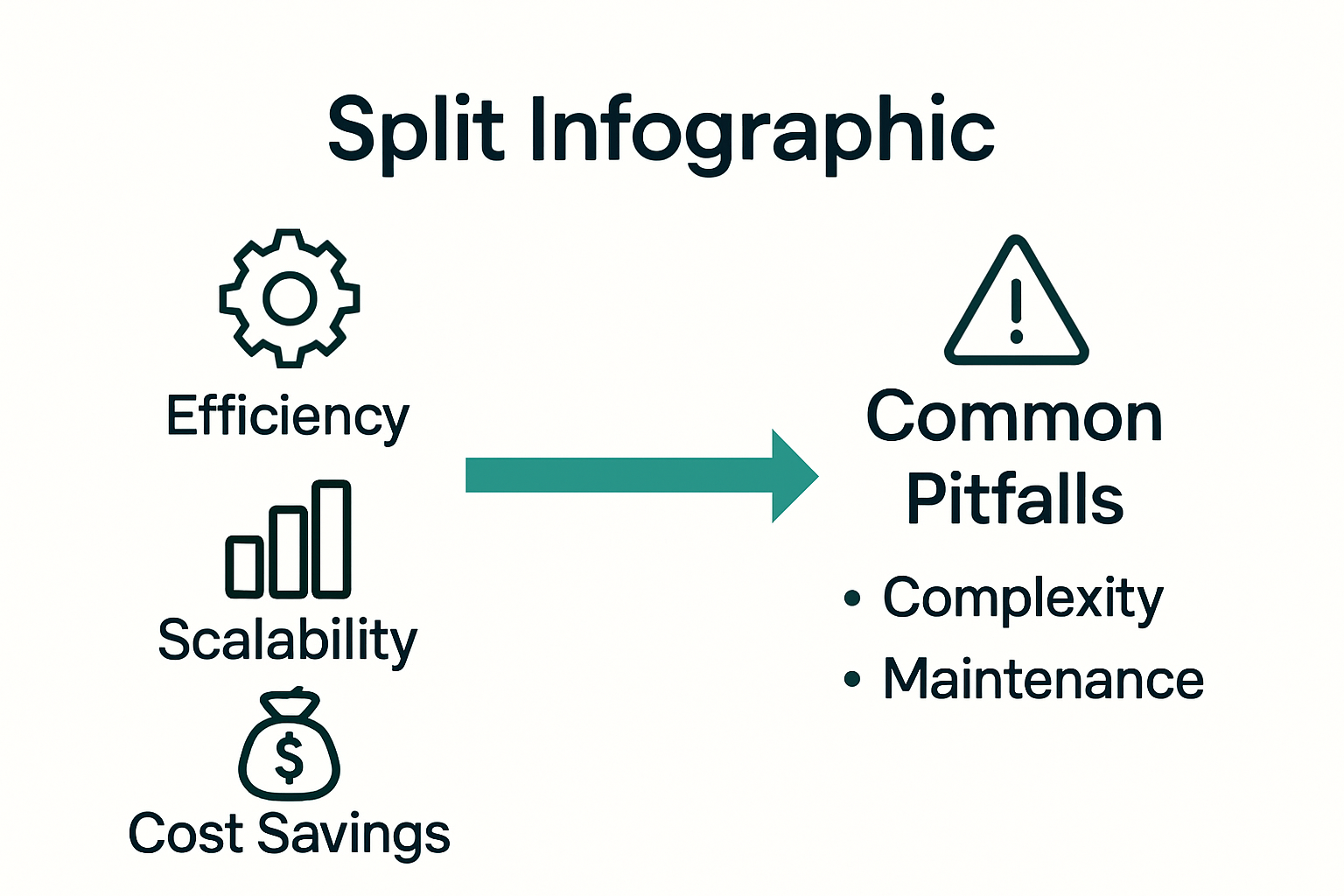
Early integration of control systems offers significant strategic advantages, enabling organizations to optimize design and performance from project inception. Key benefits include:
- Enhanced operational efficiency
- Improved system scalability
- Reduced long-term maintenance costs
- Greater technological flexibility
- Streamlined communication between subsystems
Comprehensive integration strategies demand careful consideration of technological architectures and potential implementation challenges:
-
Cost Considerations:
- Initial hardware and software investment
- Training and implementation expenses
- Potential system reconfiguration costs
-
Common Pitfalls:
- Inadequate compatibility assessment
- Insufficient technical expertise
- Overlooking future scalability requirements
- Poor communication protocol design
Successful control system integration requires a balanced approach that weighs technological potential against practical constraints. Organizations must conduct thorough assessments, invest in skilled personnel, and maintain a forward-looking perspective to maximize the transformative potential of integrated technological ecosystems.
Upgrade Your Control System Integration with the Right Projection Solutions
Control system integration can be complex when coordinating audiovisual components across business, educational, and home environments. You want seamless communication, real-time data exchange, and centralized control but may struggle with compatibility and scalability challenges. Achieving an intelligent and adaptive AV setup requires equipment that supports advanced features like wireless connectivity, high resolution, and flexible placement.

Discover how ProjectorDisplay.com can help you solve these challenges with our wide selection of projectors and display accessories designed for integration into sophisticated control systems. Whether you need portable, laser, or short-throw projectors for classrooms or conference rooms, we provide quality products that enhance your system's performance while simplifying deployment. Take control of your audiovisual environment today by exploring our offerings and experience the benefits of streamlined technology integration. Visit our site now to get started and ask about custom solutions to match your unique control system needs.
Frequently Asked Questions
What is control system integration?
Control system integration is an engineering approach that combines multiple technological components into a unified operational framework, enabling seamless, efficient industrial solutions by ensuring effective communication between different subsystems.
What are the benefits of control system integration?
The benefits include enhanced operational efficiency, improved system scalability, reduced long-term maintenance costs, greater technological flexibility, and streamlined communication between subsystems, optimizing overall project performance.
What are the different types of control systems in AV environments?
The main types of control systems in AV environments include centralized control systems, decentralized control systems, integrated control systems, and standalone control systems, each offering unique advantages for managing multimedia environments.
What processes are involved in control system integration?
Key processes in control system integration include system analysis, compatibility assessment, architecture design, and communication protocol mapping, all aimed at creating cohesive, intelligent networks of technological components.
Recommended
- Classroom AV Solutions: Complete Guide – Projector Display
- Memahami Hubungan Projektor dengan AV Integrasi – Projector Display
- What Is a Smart Projector? 2025 Guide for Malaysia – Projector Display
- Complete Guide to Types of Video Inputs – Projector Display
- ERT45R concept | Diesel Injection Tools and Equipment
- How Common Rail Works: Guide for Diesel Professionals 2025 – My WordPress